

After a 16-Year Dispute: Agreement Between Dijon Municipality and Residents of 'Les Lentillères' Sparks Wide Division
The Dijon Municipal Council has approved an agreement ending a nearly 16-year dispute with residents of the self-managed 'Les Lentillères' neighborhood, securing most of the land while triggering mixed reactions and internal division.

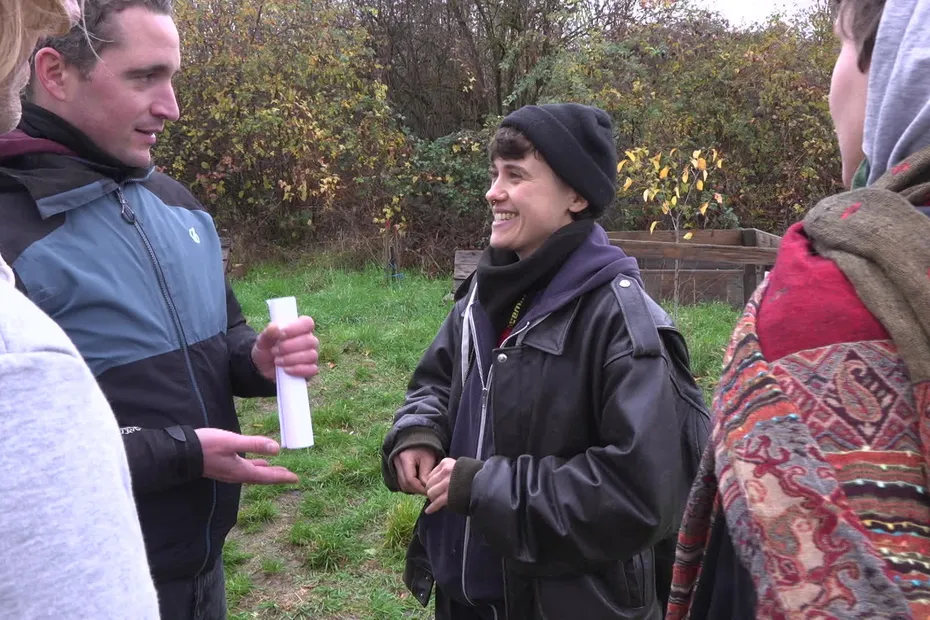
- Dijon Municipal Council adopts an agreement ending a 16-year dispute with residents of the self-managed 'Les Lentillères' neighborhood.
- The agreement grants the association authorization to remain and utilize 7.04 hectares in exchange for ceding 1.14 hectares for social urban development projects.
- Mixed reactions emerge among activists, ranging from relief over regularizing their legal status to grief over the loss of vital land.
The Dijon Municipal Council has approved an agreement putting an end to a nearly 16-year dispute between local authorities and the residents and visitors of the self-managed "Les Lentillères" neighborhood. However, the outcomes of this settlement have stirred mixed feelings and noticeable divisions within this community, which embraces an alternative ecological and social lifestyle.
Settlement Terms and Land Sharing
Under the terms of the agreement, the "Quartier Libre des Lentillères" association secured authorization to remain on the site, on the condition of ceding 1.14 hectares of land to the municipality to pursue an urban development project with social dimensions. In return, the association can continue to utilize the remaining 7.04 hectares, subject to specific commitments.
The settlement obligates the association to cover water and electricity costs, as well as maintenance expenses linked to its activities, and to adjust conditions for welcoming the public and visitors. In this context, Tristan Le Dantec, a farmer and resident of the neighborhood for about ten years who took part in the negotiations, explained: "We have preserved our autonomy; the municipality will not dictate our choices, and we will still be able to make our decisions horizontally, but we will have to carry out work to bring things into compliance and reorganize some internal working mechanisms."
For her part, the Mayor of Dijon, Nathalie Koenders (Socialist Party), expressed satisfaction with the agreement, emphasizing that "the interest of Dijon residents is fundamental; we are restoring a legal and secure situation that guarantees the preservation of lands open to the public with an ecological and agricultural character."
Internal Division and Fears of Urbanization
Despite the positive aspect of securing legal recognition, the agreement did not achieve full consensus among residents and activists, with some considering it a painful concession. Andréa Boutier, an activist and farmer at the site, stated: "We are happy to have succeeded in protecting 7 hectares and preserving a militant space that offers a model for living differently within the city. Legalizing the situation seemed like the lesser of two evils to safeguard the site for the future."
Boutier added, clarifying points of disagreement: "There is no 100% consensus, as many feel disappointed about surrendering the 'eastern strip' of land, and this concession was arduous and a real heartbreak for those living there and working daily." She concluded by affirming that the association will continue to defend the remaining area and confront what she described as "concrete sprawl and unnecessary urban expansion projects."
Source: France 3



Comments (0)
You must log in to comment on articles.
Log in Sign upBe the first to comment on this article.