

COP31 Climate Summit Opens in Turkey Amid Macron's Absence and Europe's Energy Crisis Fallout
The 31st UN Climate Change Conference (COP31) has opened in Antalya, Turkey, with delegates from 196 nations gathering amid geopolitical conflicts, energy shocks, and inflation weighing heavily on Europe.

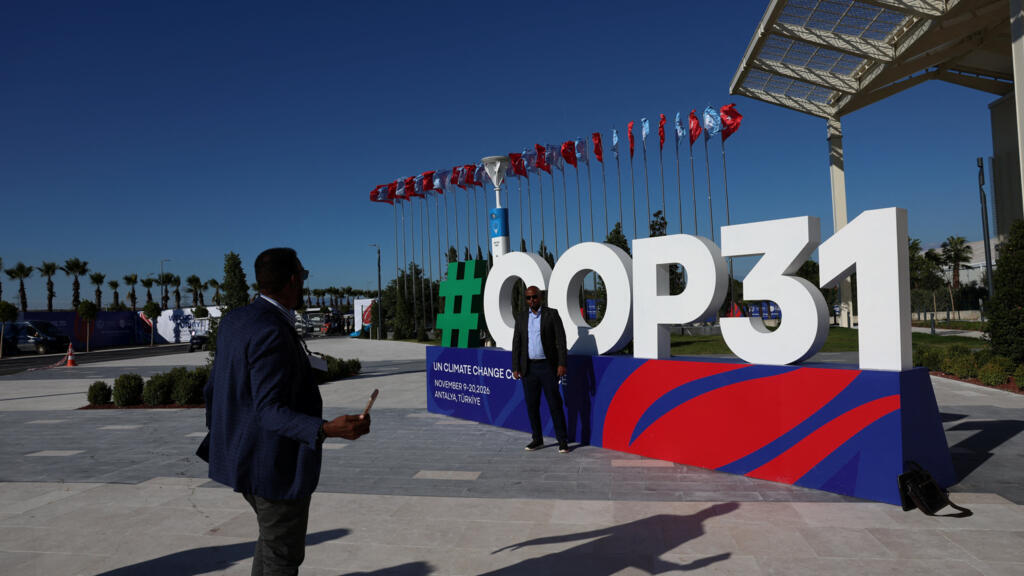
- Participation of 196 countries at the COP31 conference in Antalya under a joint Turkish-Australian presidency focused on increasing the global share of electricity to 35% by 2035.
- Absence of French President Emmanuel Macron and most G7 leaders, with France represented by Environment Minister Monique Barbut, who is advocating for the inclusion of nuclear energy as clean energy.
- International crises and energy warfare have cost European countries an additional €104 billion, amid civil society warnings over mounting inflation, migration, and extreme climate events.
The proceedings of the 31st session of the United Nations Climate Change Conference (COP31) kicked off in the southern Turkish city of Antalya, with representatives from 196 nations taking part through November 20. The summit convenes against a complex international backdrop marked by intersecting wars, energy crises, and inflation that directly affect the daily lives of citizens and residents across the European continent.
Absence of Macron and G7 Leaders
On the political front, the level of international representation has drawn widespread scrutiny, with only 77 heads of state and government confirmed to attend—most of them hailing from the African continent and small Pacific island nations most vulnerable to environmental disruptions. In contrast, French President Emmanuel Macron was notably absent just six months ahead of the end of his term, alongside his counterparts from Germany, Italy, Canada, and Japan, leaving British Prime Minister Andy Burnham as the sole G7 leader in attendance.
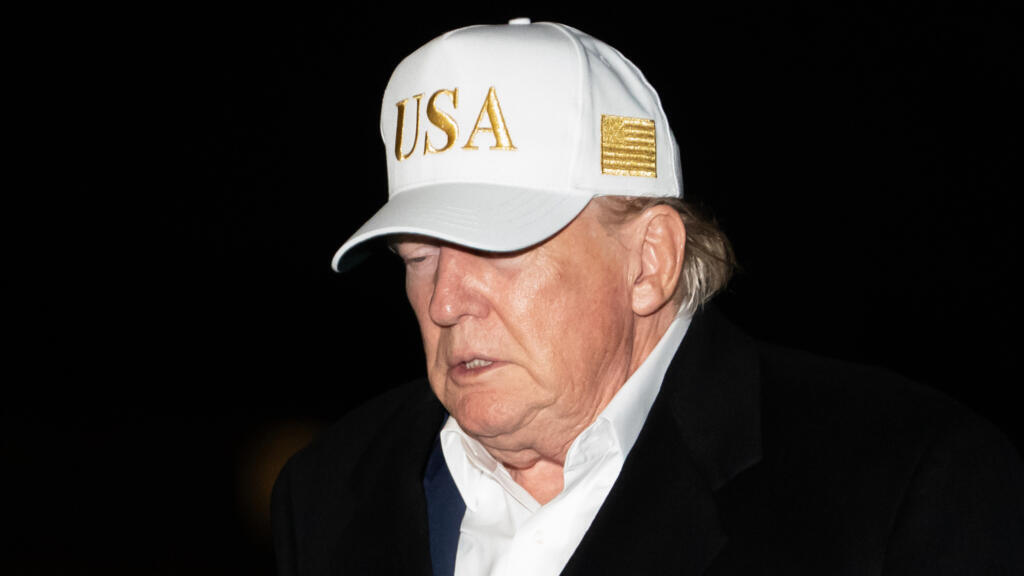
Meanwhile, the United States, having withdrawn from the Paris Agreement, sent no official government delegation, although Democratic members of the U.S. Congress and former official John Kerry were in attendance. Other notable figures included Chinese Vice President Han Zheng and Brazilian President Luiz Inácio Lula da Silva.
Energy Crisis and Soaring Costs for Households in France and Europe
The summit is taking place in close proximity to major conflict zones that have rattled global hydrocarbon markets. Reports referenced statements by Fatih Birol, Executive Director of the International Energy Agency (IEA), noting the recording of the most severe energy crisis in modern history. Fossil fuel imports have imposed additional burdens exceeding €104 billion on European nations since the Strait of Hormuz crisis—costs that would have manifested in severe inflationary waves had it not been for government fuel subsidy interventions across roughly 94 countries.
The Climate Action Network France (RAC) warned that continued reliance on fossil fuels deepens the vulnerability of societies and economies, at a time when droughts, floods, and rising temperatures linked to the 'El Niño' phenomenon are on the rise, fueling fears of expanding conflicts and forced climate migration flows.
Disputes Over Clean Energy and the French Role
The summit's joint presidency—an unprecedented hybrid arrangement between Turkey and Australia—set a target to increase electricity's share to 35% of total global energy consumption by 2035, up from around 20% today. However, this proposal faces intense debate regarding the definition of this energy. France and the European Union are actively leading efforts to link the term 'clean electricity' to nuclear energy alongside renewables. The office of French Minister of the Environment Monique Barbut emphasized the importance of formally adopting this stance within comprehensive official decisions to enhance their viability.
Controversy Over Summit Presidency and Climate Finance
Human rights and environmental organizations, including 350.org, have leveled criticism at the summit's joint presidency; Australia is the world's second-largest coal exporter, while Turkey relies heavily on coal-fired power plants for electricity generation and is actively seeking to expand oil and gas exploration. Civil society groups are calling for a binding, fully funded roadmap to phase out fossil fuels by 2040, while ensuring the protection of vulnerable groups and social justice for workers and local communities.
On the thorny issue of climate finance, France, alongside the Philippines, is facilitating talks on adaptation aid and financial assistance for developing nations. This comes as European countries hold firm against making unilateral new financial commitments, demanding instead that emerging economic powerhouses be reclassified to contribute to a global support fund targeting $300 billion annually in public funds by 2035.
Source: RFI
Comments (0)
You must log in to comment on articles.
Log in Sign upBe the first to comment on this article.