

US 2026 Elections: Historic Victory for First Muslim Senator and Fracture in Pro-Israel Consensus
The 2026 US midterm elections marked a historic milestone with Abdul El-Sayed elected as the first Muslim senator, signaling cracks in the traditional pro-Israel consensus in Washington.

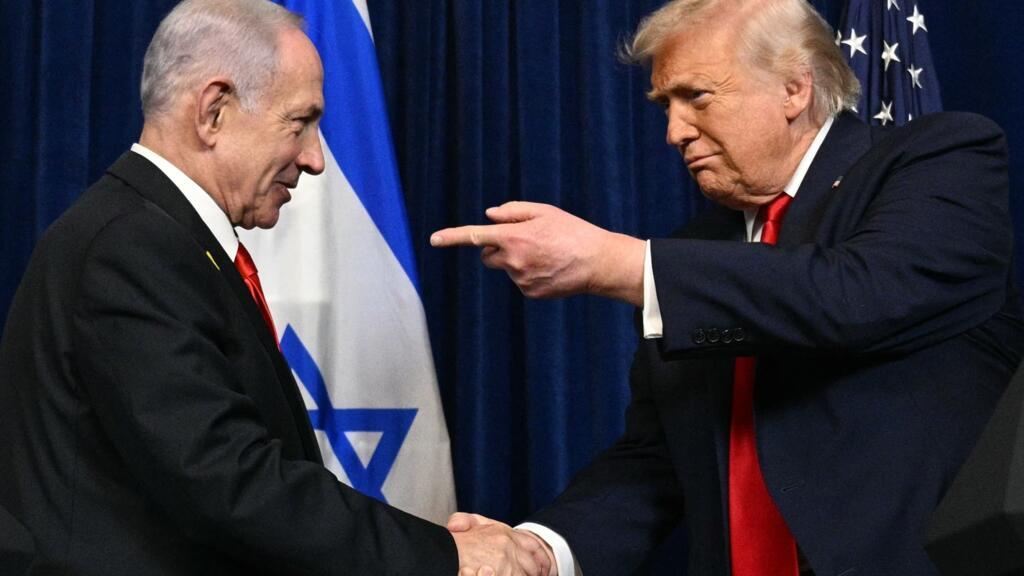
- Abdul El-Sayed (42) wins as the first Muslim senator in US history following a campaign focused on social justice and opposition to the war in Gaza.
- Unconditional support for Israel in American politics faces decline, with the AIPAC lobby suffering notable defeats despite spending over $42 million to unseat progressive candidates.
- Fallout from inflation and rising fuel prices caused by the February 28 war against Iran and the closure of the Strait of Hormuz punished the ruling camp, triggering political tremors that reached Tel Aviv.
The 2026 midterm elections in the United States marked a major historic event as Abdul El-Sayed, a physician of Egyptian descent, won a seat in the Senate representing the state of Michigan on Tuesday, November 3, becoming the first Muslim elected as a US senator, following an intense campaign during which he faced numerous attacks targeting his faith and immigrant background.
Political Rise Amid Campaigns of Skepticism
El-Sayed (42), who belongs to the progressive wing of the Democratic Party and is the son of Egyptian immigrants, primarily focused his campaign on addressing the cost-of-living crisis and expanding access to public services. However, his religious identity and firm opposition to Israeli policies in Gaza placed him at the center of media and political scrutiny, despite attempts by his Republican opponents to level baseless accusations linking him to the Muslim Brotherhood.
In his victory speech, El-Sayed firmly stated: "We want our tax dollars spent right here, on our schools, on our healthcare, on our infrastructure. We don't want our money funding apartheid, genocide, or war." Addressing the crowds, he added: "They try to call it hate when you believe that Palestinian children ought to grow up on the land of their ancestors without being slaughtered by our tax dollars. Believing in equal rights, peace, dignity, and self-determination is not hate—it is love itself."
Unprecedented Setbacks for the 'AIPAC' Lobby
These results reflected a notable fracture in the influence of the "AIPAC" lobby (the American Israel Public Affairs Committee), after the senator-elect publicly criticized the organization following its expenditure of more than $42 million in an attempt to defeat him, first by backing his primary opponent Haley Stevens, and later his Republican rival Mike Rogers. El-Sayed said: "Thank you for giving me the opportunity to beat you twice."
This was not the only defeat for defenders of unconditional aid to Israel; the House of Representatives is set to welcome new faces in January carrying a similar stance, including military physician Adam Hamawy and Representative Brad Lander, who share Representatives Ilhan Omar and Alexandria Ocasio-Cortez's opposition to continuing unrestricted military aid. Nevertheless, AIPAC announced victories for 234 candidates it endorsed, achieving a 91% success rate according to data from the 'Who Funds My Rep' platform, relying on the backing of prominent officials such as Hakeem Jeffries and Chuck Schumer.
Economy and War Reshape the Public Mood
Exit polls showed that American voters did not treat the election merely as a moral referendum on the war in Gaza, but also punished foreign military interventions due to their direct impact on daily livelihoods, particularly following the escalation of the war against Iran alongside Israel on February 28, and the subsequent closure of the Strait of Hormuz, which led to record spikes in inflation and fuel prices.
The shift was not confined to the Democratic camp but extended into Republican ranks; Donald Trump announced his intention to cancel the $3.8 billion in annual security assistance to Israel, arguing that it does not need it, while his vice president, JD Vance, outlined post-defeat priorities around resetting policies under the "America First" banner, including ending the war in Iran, recalibrating the nature of the relationship with Israel, and lowering living costs.
Confusion Grips the Political Landscape in Israel
On the other side, the breakdown of bipartisan consensus in Washington caused disarray in the calculations of Israeli Prime Minister Benjamin Netanyahu, whose coalition's loss of a Knesset majority coincided with the decline of traditional American support. Yair Golan, leader of the "Democrats" party, commented that the US election results exposed the extent of Netanyahu's declining popularity across both parties, while Opposition Leader Yair Lapid asserted that Netanyahu's continued hold on power threatens Israel's security and international standing following his failed gamble on a personal alignment with Trump.
Source: France 24


Comments (0)
You must log in to comment on articles.
Log in Sign upBe the first to comment on this article.