

French Parliament Passes Final Approval on Law Presuming Legitimacy of Security Forces' Weapon Use
The French Parliament has given final approval to a controversial bill establishing a presumption of lawful firearm use by police and gendarmes in designated scenarios, shifting the burden of proof to prosecutors and claimants.

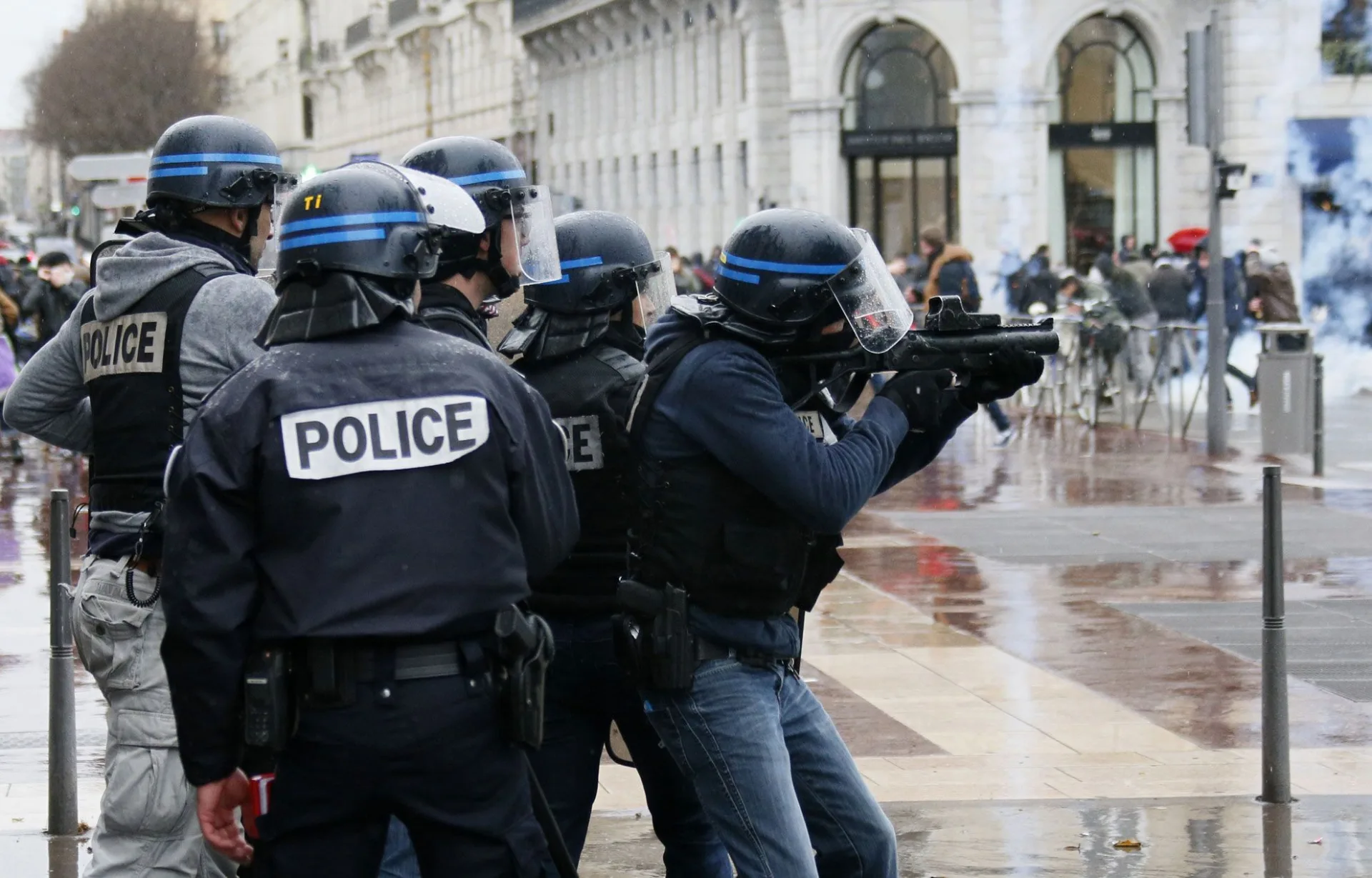
- The French Parliament has definitively approved a law establishing a presumption of lawful firearm use by security forces in specific cases until proven otherwise.
- The legislation shifts the burden of proof to prosecutors or claimants to provide material evidence showing that the shooting was excessive or unjustified.
- The measure has sparked sharp division; supporters say it protects officers from automatic custody, while opponents and rights groups warn it undermines accountability.
- Left-wing parties plan to refer the bill to the Constitutional Council to assess its constitutionality before it enters into force.
Final Vote and the Balance of Power
On Friday, November 20, 2026, the French Senate gave final approval to the bill with a majority of 205 votes in favor to 110 against, completing the legislative process initiated by the National Assembly last July. The text received backing from the right, the center, and the National Rally, while left-wing parties unanimously opposed it, describing it as granting a "license to use weapons without real accountability." The left is set to refer the text to the Constitutional Council to review its conformity with the constitution before it comes into effect.
What Does the Law State?
The law stipulates that when an officer of the police or gendarmerie uses their weapon within the five legally permitted cases—subject to the conditions of "absolute necessity and strict proportionality"—it is presumed that they acted lawfully until proven otherwise.
This shifts the burden of proof: rather than the security officer having to justify why they fired, the opposing party or the public prosecution must present physical evidence proving that the use of force was excessive or unjustified. The authors of the law emphasize that this presumption is "simple and rebuttable, not absolute," meaning it can be overturned by any contrary evidence.
Origins and Amendments to the Text
The initial text, introduced by right-wing MP Éric Pauget, was titled "Presumption of Legitimate Defense." However, the government redrafted it into "Presumption of Lawful Weapon Use," restricting it to the five situations set forth in Article L.435-1 of the Internal Security Code: self-defense and defense of others, protecting sites, preventing the escape of dangerous individuals, stopping vehicles whose occupants open fire, and confronting a "deadly trajectory." Interior Minister Laurent Nuñez underscored that the objective is to end the "automatic custody of security officers" when injuries or deaths occur.
Arguments of Supporters
Advocates of the law argue that security officers face mounting pressure and require a working environment that grants them confidence without constant fear of prosecution. They point out that the law does not provide blanket immunity, leaving the door open to investigate any case that indicates clear overreach. They maintain that the amendment remedies an existing imbalance where an officer is automatically presumed to be at fault whenever a firearm is discharged.
Concerns of Opponents and Rights Groups
Conversely, the opposition and organizations such as Amnesty International warn that altering evidentiary rules will make it harder to prosecute abuses, particularly in incidents without witnesses or clear video footage. Critics argue that the burden of proof should remain on whoever deploys lethal force, rather than on the victim or their family. Human rights organizations note that the article upon which the law is based has been involved in the deaths of at least 35 individuals in vehicles since its passage in 2017.
The Future of the Law
Pending the Constitutional Council's decision, this law remains one of the most controversial measures of the current legislative term. On one hand, there is a recognized need to back law enforcement personnel in carrying out their missions; on the other, the principle of accountability cannot be discarded as the cornerstone of the lawful use of authority. The success or failure of this legislation will depend on its ability to strike a delicate balance between public safety and the protection of individual rights.



Comments (0)
You must log in to comment on articles.
Log in Sign upBe the first to comment on this article.