

UN Women France: Laws Alone Are Not Enough to Protect Victims and Achieve Genuine Justice
Marking the International Day for the Elimination of Violence against Women, Sophie Pouget, President of UN Women France, highlighted persistent systemic barriers preventing victims from accessing justice, noting that legal frameworks require funding and comprehensive support.

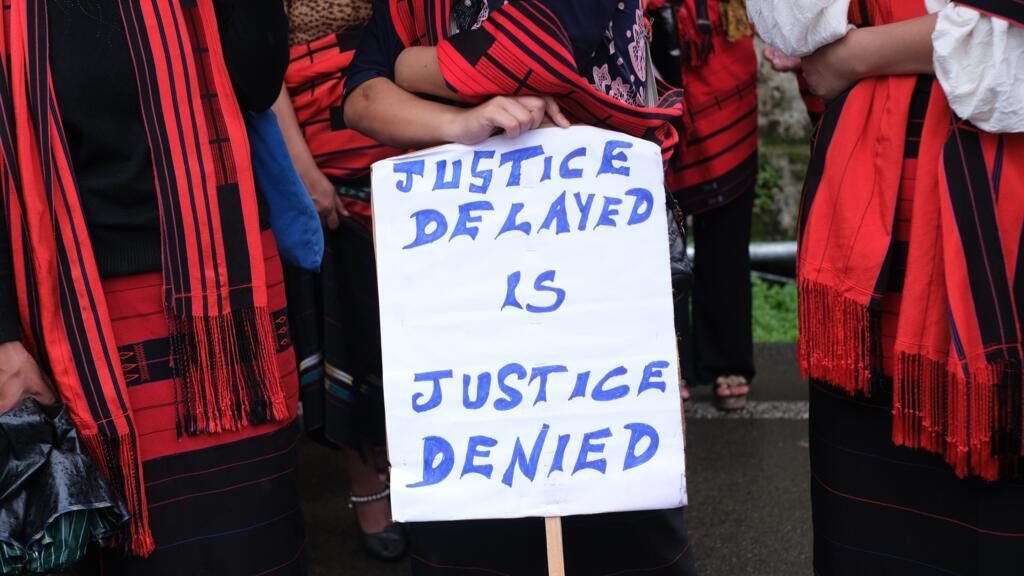
- Only 7% of women subjected to physical or sexual violence report to the police, while 63% to 97% of reported domestic violence cases fail to result in convictions.
- Economic dependence and fear of losing housing or child custody are among the primary factors compelling victims into silence.
- Emphasis on the necessity of allocating adequate funding to support the comprehensive bill combating gender-based and sexual violence currently before the French Parliament.
Initiatives across the world to develop legal frameworks and establish specialized centers supporting female victims of violence are multiplying; however, measuring the real effectiveness of these measures remains a major challenge. On the occasion of the International Day for the Elimination of Violence against Women, marked on November 25, Sophie Pouget, President of UN Women France, highlighted the difficulties preventing victims from securing their full rights, drawing on the UN organization's latest reports.
Accumulated Obstacles Driving Victims into Silence
Sophie Pouget explained that the first hurdle lies at the reporting stage, with the report revealing that only 23% of women subjected to physical or sexual violence seek help, while only 7% go to police stations to file complaints. She emphasized that this silence is not a free choice, but rather dictated by complex factors, including fear of retaliation, economic dependence, fear of losing housing or child custody, in addition to social stigma and a lack of trust in law enforcement and judicial institutions.
The Judicial Gap and Scarcity of Convictions
On the justice front, victims face repetitive investigations and prolonged waiting periods throughout the litigation process, alongside inadequate inquiries and occasional prejudices. This leads to massive case attrition; data indicates that between 63% and 97% of reported domestic violence cases do not culminate in convictions against perpetrators, underscoring the widening gap between filing a complaint and enforcing actual punishment.
Despite these obstacles, recent years have witnessed progress in the legal recognition of various forms of violence, an increased issuance of protection orders, and the creation of integrated one-stop centers providing medical care, psychological support, and legal aid in a single location, in addition to a shift toward making legal aid entirely free and offering mobile advisory hearings.
International Experiences and Legislative Developments in France
Pouget reviewed international models cited in the report. In Bangladesh, integrated one-stop crisis centers were established to provide comprehensive care, despite suffering from underfunding and slow-moving investigations. In Norway, the system relies on a rigorous assessment of risk levels and places the protection burden on institutions through surveillance and restraining orders, rather than forcing women to relocate. Meanwhile, in Malawi, community-based mechanisms are utilized to extend support to remote areas.
The President of UN Women France concluded that the success of any legal framework remains contingent upon allocating adequate budgets and supporting feminist organizations that deliver vital public services. In this context, she pointed to the comprehensive bill currently before the French Parliament, which aims to provide a comprehensive and integrated response to protect women and children from gender-based and sexual violence, with a focus on placing victims' needs and safety at the heart of the justice system to prevent re-victimization.
Source: RFI
Comments (0)
You must log in to comment on articles.
Log in Sign upBe the first to comment on this article.