

Resignation and Impeachment of Paraguayan President Santiago Peña Following Severe Banking Collapse and Mass Protests
Paraguayan President Santiago Peña resigned and was unanimously impeached by the Chamber of Deputies following the catastrophic collapse of a digital bank linked to his administration and days of mass unrest.

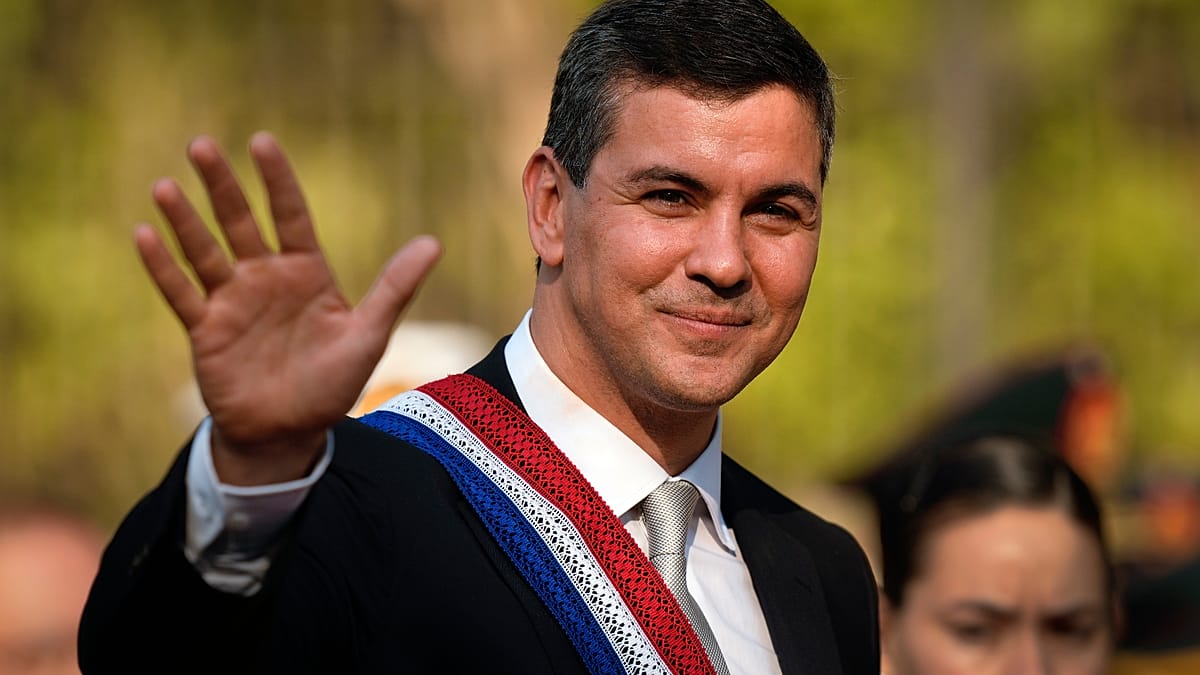
- President Santiago Peña resigns and is unanimously impeached by parliament following the collapse of digital lender Ueno Bank, which was closely tied to his administration.
- The freezing of deposits belonging to nearly three million customers and over $800 million in public funds sparks widespread panic and public protests.
- Vice President Pedro Alliana is set to formally assume the presidency to complete the constitutional term ending in August 2028.
Paraguayan President Santiago Peña submitted his resignation on Thursday, November 5, following the fallout from the financial collapse of a major digital bank linked to his administration. Minutes after he announced his departure, the Chamber of Deputies voted unanimously to impeach him, bringing an abrupt end to a presidency engulfed by a massive financial scandal.
Resignation and Swift Impeachment in Asunción
Peña, a close ally of U.S. President Donald Trump, announced his decision via a video posted on X as lawmakers debated his impeachment motion. He explained that he decided to step down for the sake of "the country's stability, social peace, and the need to preserve democratic institutions," apologizing to the public if he had let them down and insisting he had never intended to betray the trust placed in him.
The vote delivered a devastating political blow after lawmakers from Peña's own ruling Colorado Party joined the opposition to back his removal, following three days of mass protests on the streets of the capital. Consequently, Vice President Pedro Alliana is expected to assume power in the coming days to complete the constitutional mandate ending in August 2028, while parliament moves to appoint a new vice president.
Resounding Fall of Ueno Bank and Panic Among Depositors
The crisis erupted after authorities placed Ueno Bank under strict intervention and regulatory control. The digital lender accounts for approximately three million customers out of the country's total population of 7.1 million. The move triggered a complete freeze on accounts and savings, cutting off millions of citizens from their salaries and pensions.
The bank had experienced a meteoric rise since obtaining its banking license in 2023, building a network of more than 70 branches, offering lucrative cashback deals to consumers, and sponsoring the national soccer team. Government deposits also surged under Peña's administration, reaching roughly $800 million last month, which included public pension funds, healthcare insurance reserves, and hydroelectric dam operators—representing nearly a quarter of the bank's total deposits.
Regulatory Warnings, Corruption Charges, and Mismanagement
Central bank audit investigations, reported by the newspaper ABC Color, revealed hazardous and undocumented lending practices to companies linked to the bank's owners, as well as expenses improperly booked as assets. These practices drove the bank's capital to less than half the statutory minimum, despite former President Peña having previously dismissed such warnings as mere smear campaigns.
As the bank's branches shut down and its mobile application and credit cards ceased operating, thousands of depositors lined up in lengthy queues seeking their money, while an influx of citizens attempting to open accounts at rival lenders caused outages across other banking apps. Authorities sought to reassure the public by initiating the opening of alternative bank accounts for roughly 280,000 completely affected individuals.
Street Clashes and Demands for Accountability
Hundreds of employees from the bank and Grupo Vázquez protested outside the Ministry of Labor demanding their unpaid wages, while the streets of Asunción saw furious demonstrations joined by retirees, students, and depositors demanding the recovery of their savings. Riot police responded with tear gas and rubber bullets to disperse the demonstrators, who chanted against government corruption in a nation ranked near the bottom of Transparency International's Corruption Perceptions Index in South America, surpassed only by Venezuela.
Source: Euronews (فرنسي)

Comments (0)
You must log in to comment on articles.
Log in Sign upBe the first to comment on this article.