

Historic Milestone for SpaceX: Successful Catch of Giant Starship Upper Stage
SpaceX achieved an unprecedented historic milestone in the space sector after successfully catching the massive upper stage of its mega-rocket Starship using mechanical launch tower arms following an orbital flight lasting over 22 hours.

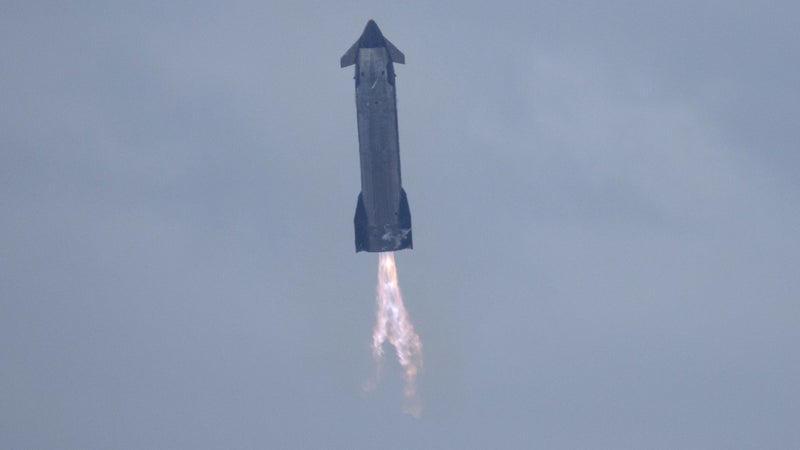
- Catching the over 50-meter-tall Starship upper stage with mechanical launch tower arms after completing 14 orbits around Earth.
- The mission saw the successful deployment of 26 large Starlink satellites, while the first-stage booster was lost and crashed into the sea due to a technical malfunction.
- The achievement marks a critical milestone toward fully reusable rockets and supports NASA's Artemis program to return to the Moon.
American aerospace manufacturer SpaceX, owned by billionaire Elon Musk, recorded an unprecedented historic milestone in the space sector after successfully catching the massive upper stage of its mega-rocket Starship on Saturday, November 14, following an orbital flight lasting more than 22 hours.
Complex Maneuver and Giant Robotic Arms
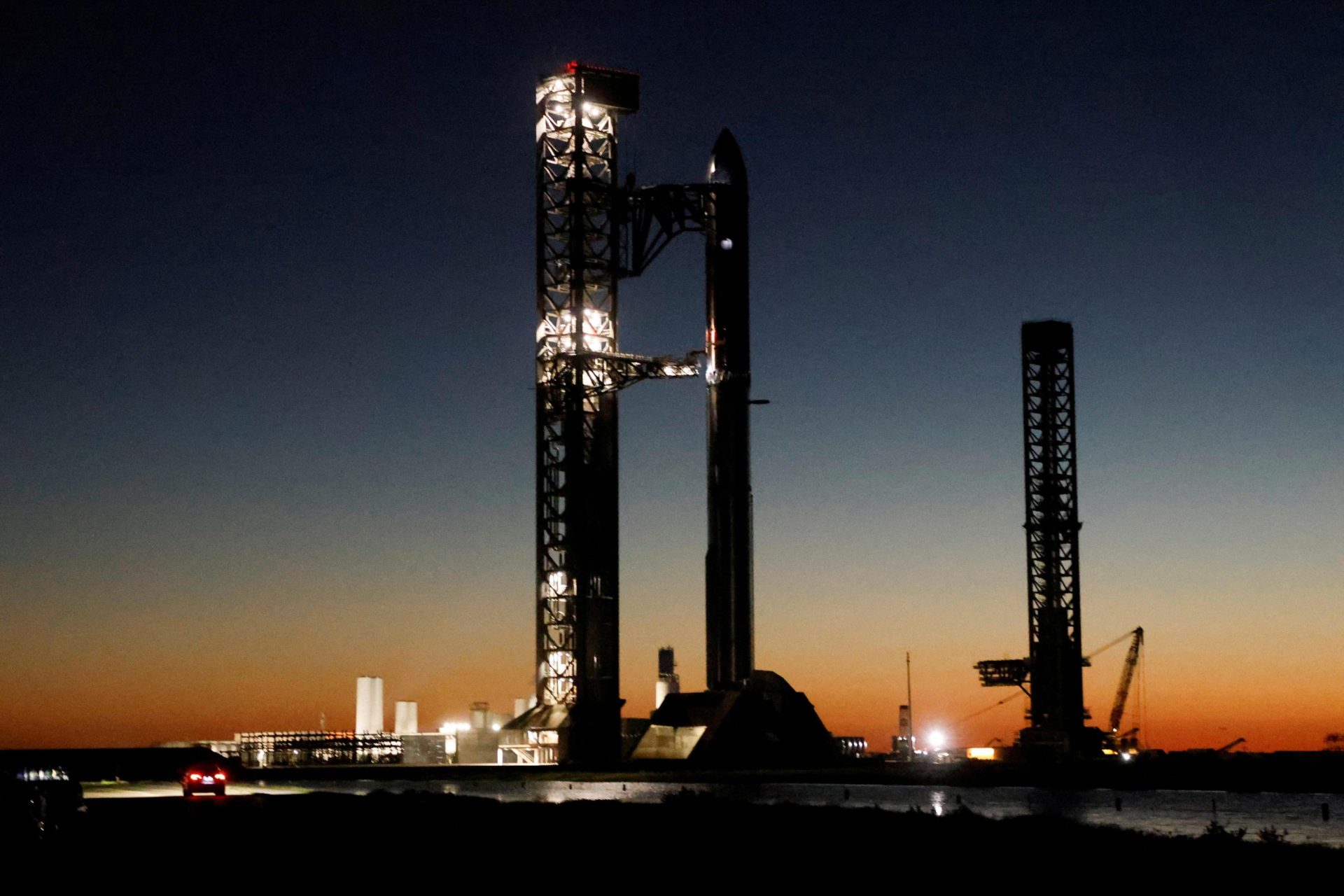
After completing approximately 14 full orbits around Earth, the spacecraft, standing over 50 meters tall, successfully made a pinpoint return to the Starbase spaceport in Boca Chica, Texas—its launch point—where giant mechanical arms mounted on the launch tower caught it at exactly 3:20 PM local time (21:20 GMT).
The operation is a first of its kind, never before tested with a rocket's upper stage returning from Earth orbit due to its extreme velocity and the soaring altitude from which it descended compared to conventional rocket boosters, sparking widespread celebrations among hundreds of the company's employees and engineers.
Deployment of Starlink Satellites and Landing Trajectory Challenges
Despite the upper stage's success, the company was unable to recover the rocket's lower booster due to a technical hurdle during the operation, resulting in it crashing and exploding in waters adjacent to the base shortly after liftoff. In contrast, Starship continued its path in space and successfully deployed 26 large satellites for the Starlink network.
Lars Blackmore, a senior official in the Starship program, explained that the descent trajectory required traversing vast expanses to minimize risks to populations, with the vehicle guided over desert regions while avoiding cities amid tense anticipation lasting about 21 minutes during which control teams were unable to intervene manually.
A Step Toward Exploring the Moon and Mars
This success represents a pivotal leap in the development of the largest and most powerful rocket in space industry history, designed for missions to the Moon and Mars and to transport data centers into outer space. The progress also bolsters NASA's Artemis program amid the global race to slash launch costs by manufacturing fully and rapidly reusable rockets that surpass previous systems.
Source: BFM TV


Comments (0)
You must log in to comment on articles.
Log in Sign upBe the first to comment on this article.