

Reopening of the Pau-Canfranc Railway Line: New Horizons for Mobility and Employment Between France and Spain
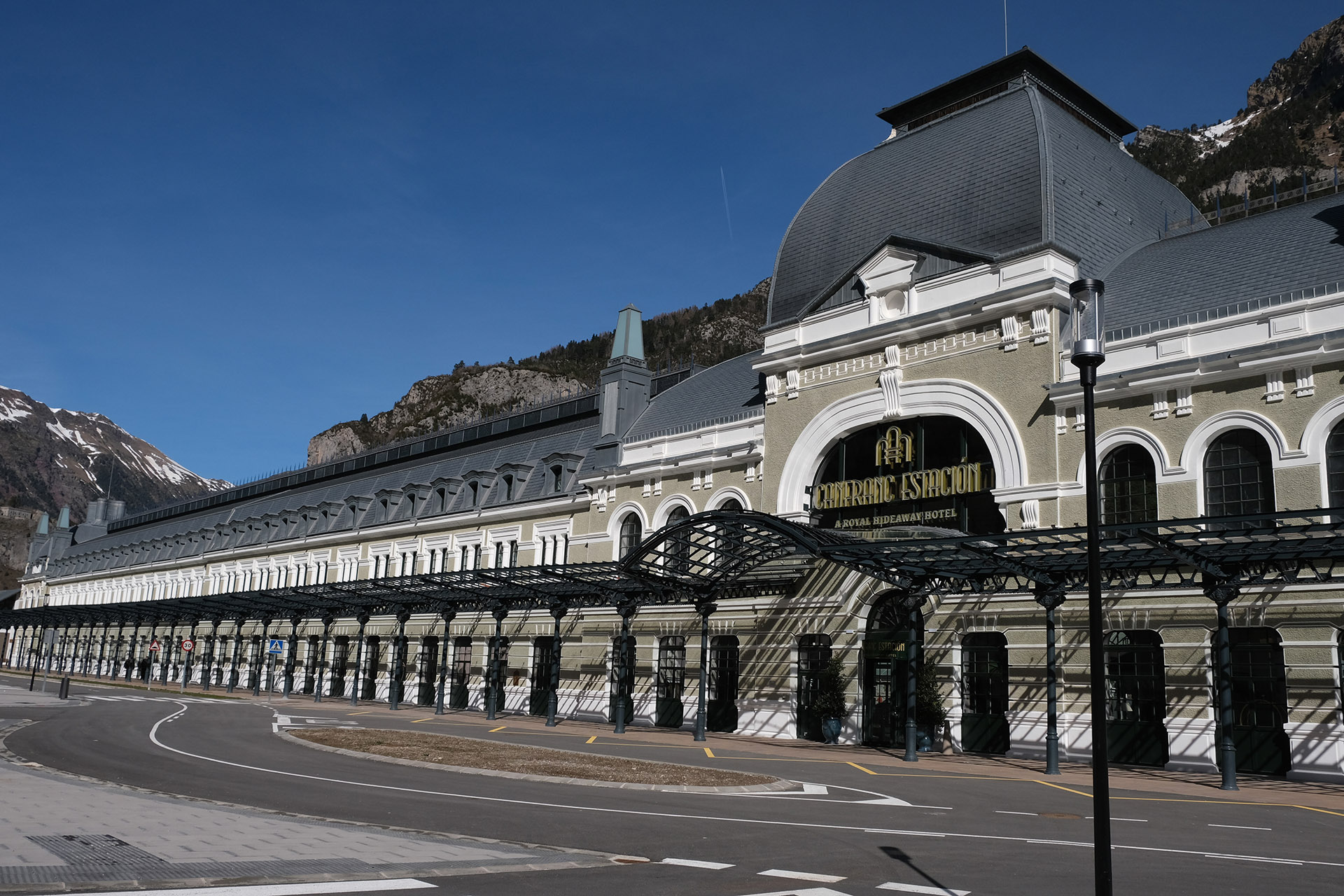
Consultation workshops on the reopening of the historic Pau-Canfranc railway line have concluded, outlining key stakes in cross-border transport, employment, and trade across the Pyrenees.

- Calls for better coordination between the regional train (Line 55) and buses (Line 550), alongside the expansion of station services and sustainable bike-sharing initiatives.
- The railway line serves as a vital artery to counter labor shortages and facilitate mobility for workers and students between the universities of Pau and Zaragoza.
- Ambitions to advance rail freight, particularly for grain shipments, which currently account for nearly 40% of goods traffic passing through the Somport tunnel.
The consultation workshops dedicated to discussing the reopening of the historic railway line linking the city of Pau in southwestern France to the town of Canfranc in Spain have concluded, delivering a comprehensive assessment of the primary stakes and challenges related to transport, the labor market, and the shared economy on both sides of the Pyrenees mountain range.
Sustainable Mobility and the 'Last Mile' Challenge
Discussions among both French and Spanish stakeholders centered on the "last mile" challenge and the necessity of ensuring effective connectivity with local public transport networks along the route. On the French side, pressing demands emerged for better and more flexible coordination between the regional train (Line 55) and the regional bus (Line 550), particularly when trains experience delays.
Participants unanimously agreed that reopening the line would serve as a backbone for sustainable mobility departing from the served stations. Successful existing models were highlighted, such as the bike-sharing service introduced by the Haut-Béarn intercommunal community at Bidos and Oloron stations, as well as the shuttle buses provided by the Ordesa National Park in the Spanish region of Aragon, while emphasizing the need to develop in-station amenities along the border.
A Shared Space for Living, Employment, and Student Exchange
The workshops shed light on the similar socioeconomic realities shared by both regions, characterized by an aging population, demographic decline, and near-full employment levels. These trends are poised to escalate in the future, naturally leading to severe labor shortages and recruitment difficulties. This reality reinforces the need to foster a cross-border area that eases the movement of individuals to meet labor market demands.
In the academic sphere, the University of Pau and the University of Zaragoza reviewed their bilateral cooperation initiatives. Between 2020 and 2025, 151 students took part in long-term exchange programs, while 61 participated in short-term exchanges, with a notable focus on professional internships in rural areas. Stakeholders from the employment and higher education sectors stressed the paramount importance of the train in facilitating daily and regular commuting for cross-border workers and encouraging international student exchanges.
Economic Stakes and Freight Transport
On the economic front, participants examined the key requirements necessary to ensure the success of rail freight along this corridor. Chief among these are guaranteeing high reliability, offering competitive costs relative to road transport, reducing transshipment operations, and drawing upon the expertise of skilled rail freight personnel.
Estimates indicate that the agrifood sector holds the greatest potential for utilizing the line, especially grain shipments, which alone account for roughly 40% of the freight currently moving through the Somport tunnel. Logistics sector stakeholders concluded that while the Pau-Canfranc-Zaragoza project primarily targets passenger transport, rail freight represents a critically important strategic, environmental, and economic asset for the entire region.
Source: Nouvelle Aquitaine



Comments (0)
You must log in to comment on articles.
Log in Sign upBe the first to comment on this article.