

Crisis at Sciences Po Paris: Sharp Divide Among Faculty Over Launch of War and Defense Studies Center
A heated dispute has erupted among faculty at Sciences Po Paris over plans to establish a new defense and war studies center involving former officials and aerospace defense firms.

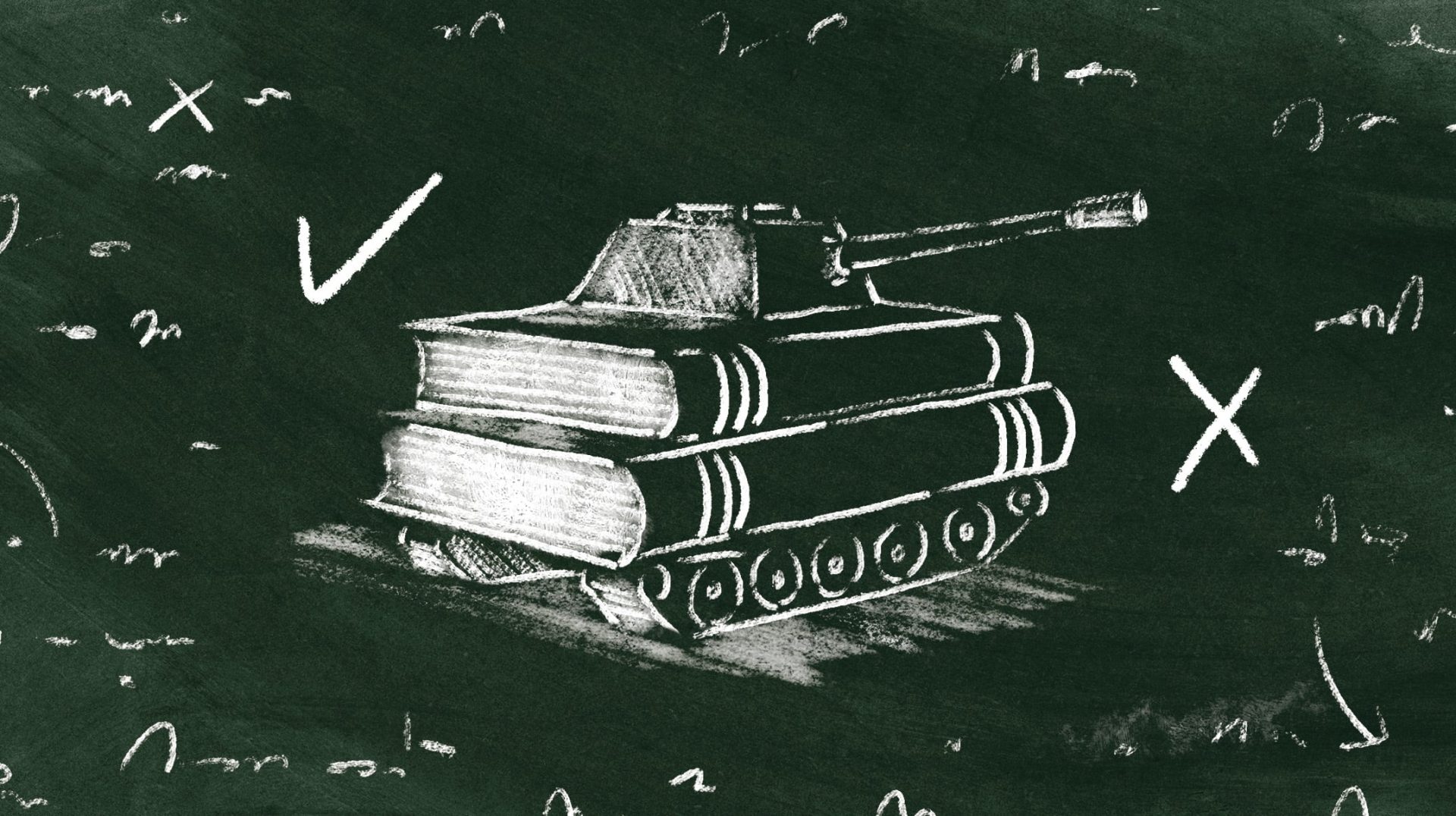
- Sharp divisions rock Sciences Po following the establishment of a new research center specialized in security studies and international relations.
- Academics object to the involvement of the former Armed Forces Minister and defense industry representatives in shaping the project.
- Institute leadership emphasizes the need to fill the gap in "war studies" and adopt an Anglo-Saxon model by early 2027.
Internal faculty groups at the prestigious Paris Institute of Political Studies (Sciences Po) have seen heated debates and sharp criticism following the announcement of a new research center dedicated to security, defense, and international relations, aimed at connecting researchers with diplomatic and military decision-makers.
Methodological Rift and Clash of Visions at the University's Core
The controversy erupted after institute director, diplomat Luis Vassy, tasked former Armed Forces Minister Florence Parly and research professor Thierry Balzacq with outlining a defense affairs research center. Tensions escalated with the participation of representatives from defense and aerospace groups Safran and Thales, sparking pushback from a broad segment of institute researchers opposed to private-sector involvement on campus.
Proponents of the project aim to adopt an Anglo-Saxon approach to teaching international relations and conflict, similar to models at leading universities such as Harvard, Stanford, Columbia, and Princeton, to address France's shortfall in "war studies." Guillaume Farde, an academic supporting the project, explained that the center is intended to fill a major void in addressing geopolitical, military, and intelligence issues that had been neglected within the institution.
Fears of a "Faustian Pact" with the Arms Industry
Conversely, opponents—most of whom belong to the institute's Center for International Studies (CERI)—argue that this orientation entrenches a militarized perspective focused on great-power decisions while neglecting the study of civil society, human rights movements, and NGOs. More than 145 professors expressed their concern in a joint petition, while former CERI director Jean-François Bayart characterized the involvement of a former defense minister and weapons manufacturers as introducing an unwelcome "strategic-military lexicon" into the academic institution.
Institute director Luis Vassy responded in an article, affirming that France possesses highly capable research centers but must keep pace with contemporary challenges, such as the Russian war in Ukraine, by generating analytical frameworks that contribute to democratic debate. The center is scheduled to officially launch in early 2027, with interim director Thierry Balzacq affirming that funding and partnerships will undergo strict oversight by the institute's ethics committee to ensure complete independence.
Source: L’Express
Comments (0)
You must log in to comment on articles.
Log in Sign upBe the first to comment on this article.