

Washington Plans to Raise Tariffs on EU to 15% Amid Firm European Rejection
The United States has unveiled plans to increase tariffs on imports from key trading partners, including the European Union and Japan, to 15%, sparking sharp pushback from Brussels.

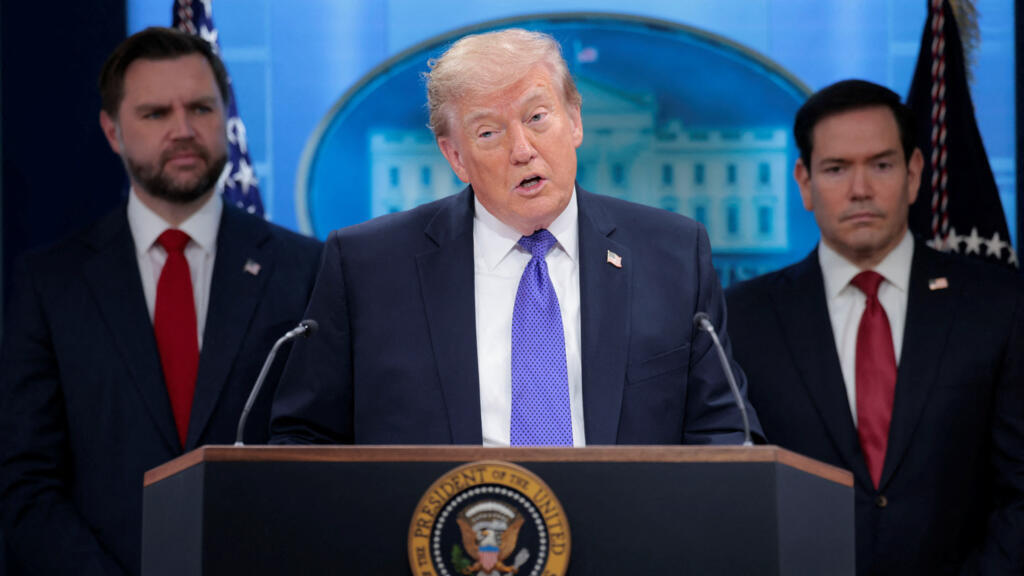
- The Trump administration announces a plan to impose new tariffs scheduled to take effect in early January 2027.
- Tariffs on European and Japanese products are set to rise from the current 10% to 15%.
- The European Union categorically rejects the move and warns of its impact on European markets and industry.
On Wednesday, November 25, the US administration announced a new package of tariffs targeting products exported from its primary trading partners, led by the European Union, China, and Mexico, accusing them of providing government subsidies to their industries that Washington deems illegal and harmful to American businesses.
Tariff Hikes and Fears of Economic Repercussions
These additional tariffs, which follow previous measures announced in late July under the justification of combating forced labor, mark the culmination of an investigation launched last March by White House Trade Representative Jamieson Greer. In televised remarks, Greer explained that these targeted tariffs are intended to tackle the overcapacity crisis, noting that the measures are not expected to take effect before January 2027, as the procedural framework requires several weeks of public consultation.
According to data released by the Office of the United States Trade Representative, policies pursued in about fifteen countries are creating an industrial surplus that undermines the competitiveness of companies in the United States. Under the new proposal, tariffs on European and Japanese goods will rise from the current 10% to 15%, alongside additional duties that also extend to Brazil's civil aviation sector.
Explicit European Rejection and Legal Moves
For its part, the European Union voiced strong opposition to these measures. European Commission spokesperson Olof Gill emphasized that Europe is among the regions most affected by global overcapacity crises, particularly originating from China, expressing Brussels' regret over the lack of coordination and joint action with the American side.
The US administration is basing its latest move on a 1974 federal statute in an effort to shield it from legal challenges, after the US Supreme Court previously struck down similar tariffs introduced earlier by Donald Trump's administration. These trade tensions are stoking widespread concern across European markets due to their potential direct fallout on production costs, consumer prices, and the labor market across the continent.
Source: RFI
Comments (0)
You must log in to comment on articles.
Log in Sign upBe the first to comment on this article.