

Mandatory November 11 Ceremonies in French Schools Spark Outrage Among Education Unions and Mixed Reactions
A new circular issued by the French Ministry of National Education mandating annual commemorative ceremonies for November 11 has ignited controversy among teachers' unions, despite defenses from officials and supporters.

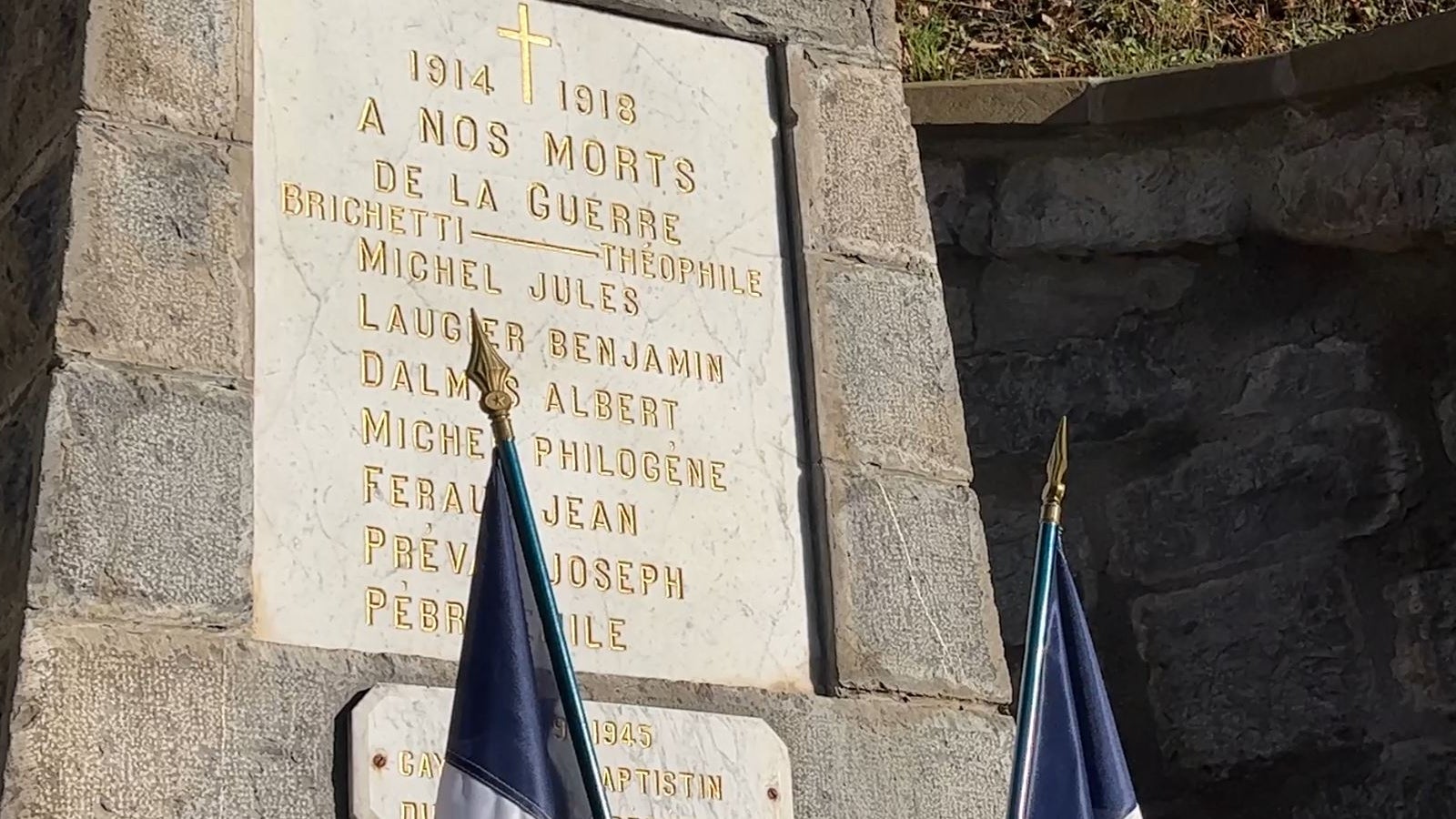
- A ministerial circular mandates organizing annual commemorative ceremonies for 'those who died for France' for students from fourth grade (CM1) through high school.
- Education unions criticize the move, calling it 'worrying nationalism' and a normalization of militarization within educational institutions.
- The ministry defends the measure, describing it as common sense to commemorate shared history and the value of freedom.
French schools have entered the midst of a sharp societal and pedagogical debate following the issuance of a ministerial circular from the Ministry of National Education, signed by Édouard Geffray on July 2, mandating the organization of an 'annual commemorative ceremony honoring all those who died for France' on the occasion of the November 11 Armistice, to take place during the four days preceding or following that date.
This new measure applies to elementary schools (starting from CM1 grade level), middle schools, and high schools, whether public or private institutions under contract with the state. The instructions allow school heads to seek assistance from volunteer personnel, particularly members of the operational reserve, as well as veterans' associations and local elected officials, specifically the municipal delegate in charge of defense affairs.
Union Criticism: Warnings Against 'Militarization and Nationalism'
This new direction has provoked the ire of prominent education unions. The 'Sud Éducation' union expressed its dismay at what it described as 'worrying nationalism,' firmly asserting that 'the military has no place inside school institutions.' For its part, the 'SNES-FSU' union raised several practical, pedagogical, and political concerns, pointing out that the decision comes in a global context witnessing an increasing normalization of nationalist and militaristic tendencies.
In the same vein, French language teacher Fatima Aït Bounoua expressed her reservations on 'RMC Story' regarding what she considered 'fake showcase patriotism,' pointing out that the problem does not lie in the values of belonging and homeland, but rather in polishing the institutional image without providing the necessary resources, leaving teachers to manage matters on their own.
The Ministry Defends: 'Not Militarization, but Common Sense'
In contrast, Édouard Geffray defended the decision, explaining in previous statements that 'honoring those who died for France, remembering them, and knowing the price of freedom is not militarization; it is common sense.' He added, questioning where the militarization lies in celebrating the National Day of Victory and Peace: 'We have a shared history that transcends the individual narratives of the French, and it is a heritage that must be passed down to build a common destiny, to know where we came from in order to determine where we are going.'
The decision also received support from public figures and parents. Writer Emmanuel de Villiers denounced the opponents' stance, praising the step as a way to strengthen national awareness and honor historical sacrifices. Meanwhile, 'Emmanuel,' a parent of a sixth-grade student in Bordeaux, expressed enthusiasm about his son participating in singing the national anthem (La Marseillaise) in front of the war memorial, criticizing the unions' stances and considering them harmful to the course of national education.
Source: RMC
Comments (0)
You must log in to comment on articles.
Log in Sign upBe the first to comment on this article.