

Investigation in French National Assembly Following Video of Youths Denouncing 'License to Kill' Law Inside the Chamber
National Assembly President Yaël Braun-Pivet has launched an internal investigation after six youths filmed a video inside the hemicycle denouncing police self-defense laws, sparking a political clash between the right and left.

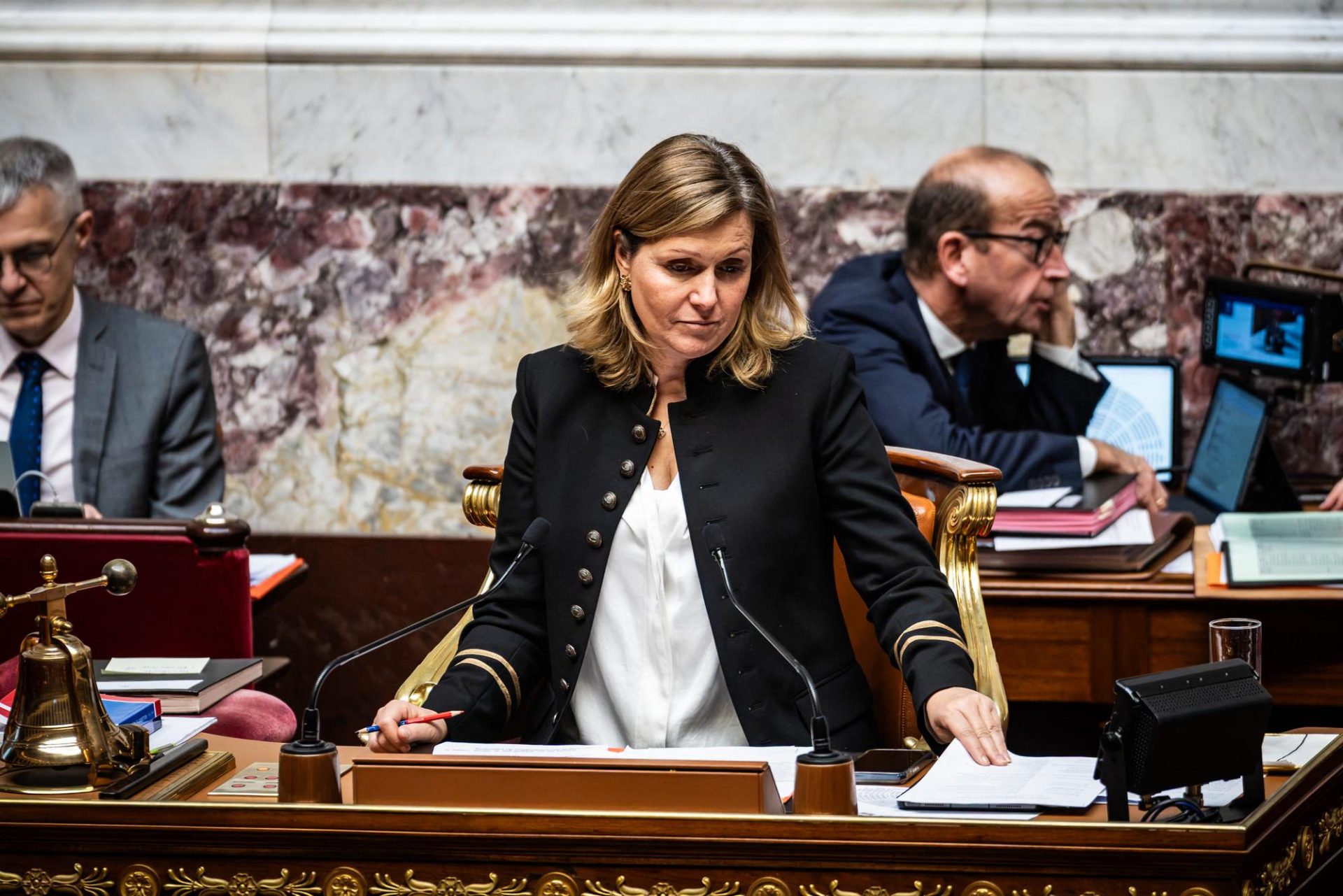
- National Assembly President Yaël Braun-Pivet opens an internal investigation, calling the use of the parliamentary chamber as a political platform 'unacceptable.'
- A video posted by six youths inside the hemicycle denounces the legal framework on self-defense for security forces and cites the names of victims such as Nahel and Adama Traoré.
- A sharp divide has emerged between the National Rally, which denounced 'far-left propaganda,' and La France Insoumise lawmakers who defended the youths' visit.
Political tensions have flared once again within the French National Assembly following an announcement on Monday, November 23, by its President, Yaël Braun-Pivet, regarding the opening of an "internal investigation." The decision came after the circulation of a video filmed from the benches of the parliamentary chamber, showing six youths criticizing the law governing the presumption of legitimate defense for security forces—legislation that critics describe as a "license to kill."
In the recording, the youths condemned what they characterized as an "alliance between the far-right and Macronists, and security forces that currently evade their responsibilities." Braun-Pivet acted swiftly following demands from National Rally (RN) lawmakers, describing the incident as "unacceptable" and emphasizing that "no visitor has the right to commandeer the hemicycle to shoot a video and turn it into a political platform," stressing that the chamber is a place of democratic symbolism where the right to speak is derived solely through a mandate granted by the people.
Activists Cite Police-Involved Deaths
The video showed six youths unknown to the general public standing inside the debating chamber and reciting the names of individuals who died following police actions, including: Adama Traoré, Nahel Merzouk, Rayana, Alhoussein Camara, and Rémi Fraisse, describing them as victims "assassinated by the Republic," in their words. Among the six youths who shared the video on Instagram, five show no public political affiliation, while one is officially active within the "Jeunes Insoumis" (Young France Unbowed) organization in Clichy-sous-Bois (Seine-Saint-Denis).
Sharp Political Clash Between Right and Left
Sébastien Chenu, Vice President of the National Rally, denounced the incident, calling it "far-left propaganda" conducted by activists affiliated with La France Insoumise (LFI). Together with MP Hélène Laporte, Chenu announced they had formally approached the Assembly's presidency requesting explanations regarding the filming, reiterating that taking photographs and making recordings are subject to strict instructions from tour guides and supervisors.
Conversely, several lawmakers from La France Insoumise voiced frustration over the decision to open an inquiry. MP Jérôme Legavre acknowledged on X (formerly Twitter) that the youths were part of a delegation accompanying him on a visit to the National Assembly on Saturday, defending their action by stating they found themselves at the heart of representative democracy and expressed their views with complete innocence. Meanwhile, the head of the parliamentary group, Mathilde Panot, attacked the Assembly's president, asserting that "the National Assembly is the house of the people and not the palace of Mrs. Braun-Pivet and her far-right friends."
What Do the National Assembly Rules State?
The internal rules of the French National Assembly define clear guidelines for visits; Article 26 authorizes a deputy to host a group of visitors not exceeding 50 people, subject to prior authorization from the presidency for temporary access to the debating chamber outside of sitting hours. The institution also enforces strict restrictions on photography and filming, prohibiting recordings of colleagues or the chamber itself, except under narrow and pre-authorized exceptions granted to the press covering proceedings from designated galleries.
The guidelines also state that the public must maintain "proper conduct" and are forbidden from expressing political opinions through clothing, religious symbols, or banners. However, the regulations remain vague regarding specific restrictions on verbal political expression by visitors inside the chamber, a matter on which the Assembly's administrative offices have not yet provided further clarification.
Source: Nouvelobs
Comments (0)
You must log in to comment on articles.
Log in Sign upBe the first to comment on this article.