

Exhibition at France's Château de Marly Rehabilitates Madame du Barry as a Patron of Arts and Fashion
A landmark exhibition at the Domaine royal de Marly re-examines the legacy of Madame du Barry, presenting her as a pioneer of fashion, architecture, and the arts rather than merely a controversial royal favorite.

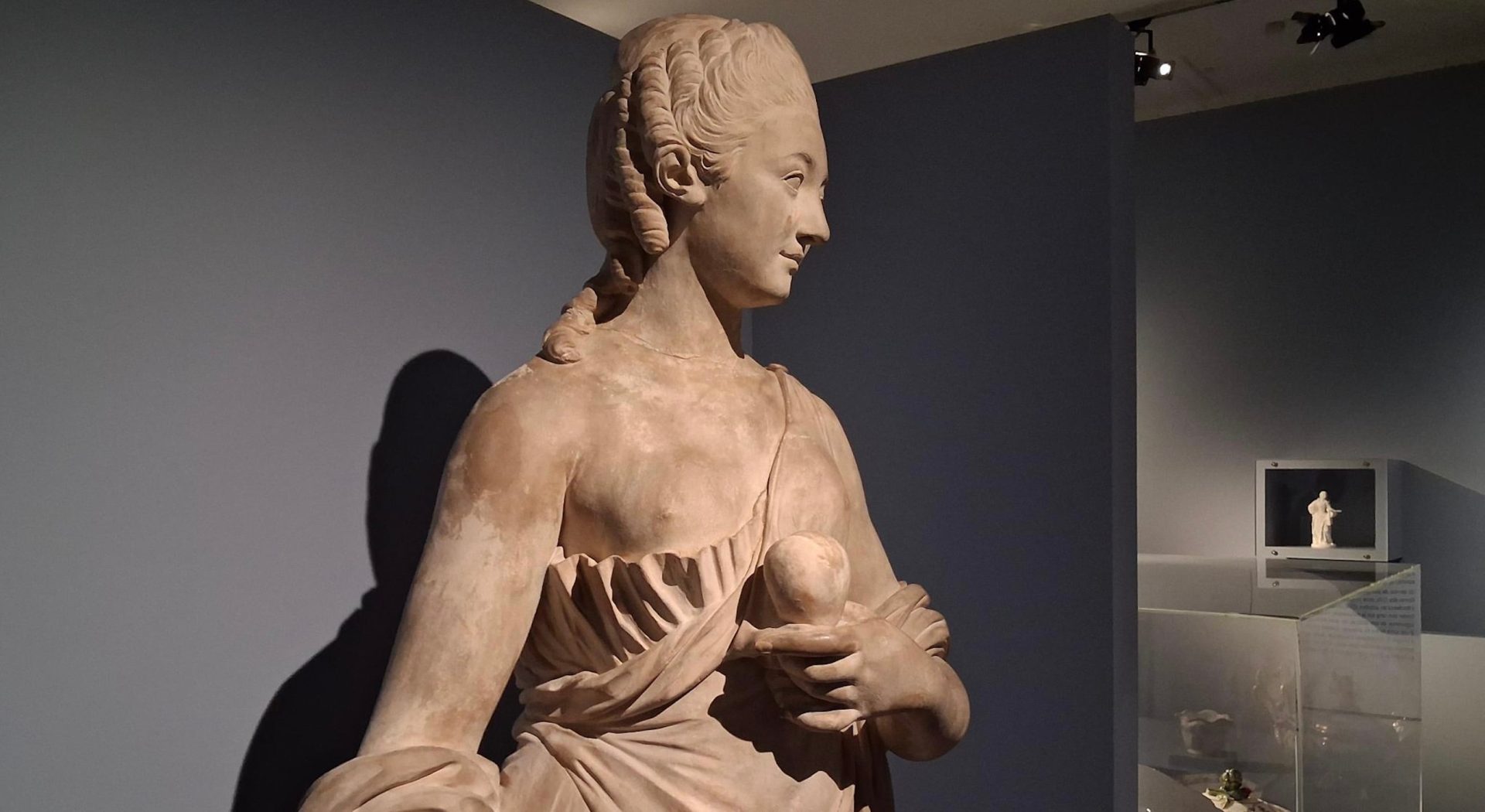
- An exceptional exhibition at the Domaine royal de Marly features approximately 150 artifacts and artworks recounting the rise of Madame du Barry.
- The showcase highlights her pioneering role in patronizing the arts and reshaping the standards of fashion and beauty in 18th-century France.
- A fresh perspective on the history of a woman of humble origins who left a profound cultural imprint before her execution during the French Revolution in 1793.
The Domaine royal de Marly in the Île-de-France region opens its doors to visitors for a unique exhibition dedicated to reinterpreting the history of Jeanne du Barry. Curated by Karen Chastagnol, the exhibition offers a fresh perspective that moves beyond the long-standing stereotypes that confined her for centuries to narratives of intrigue and extravagance during the twilight of the French monarchy.
An Inspiring Social Ascent from the Margins to the Royal Court
Jeanne Bécu was born in 1743 (or 1745 according to the latest research) as the illegitimate daughter of a woman who worked as a laundress and later as a cook for wealthy families. A biography by historian Emmanuel de Waresquiel reveals that her father was likely the financier Claude Bellanger de Montceaux. At the age of seventeen, she gave birth to a daughter named Betsy from a relationship with a magistrate, raising her away from the public eye by introducing her as her niece to safeguard her social standing.
Thanks to an arranged marriage with Guillaume du Barry to secure the noble title and lineage required for court presentation, Jeanne successfully made her way to the Palace of Versailles, becoming the official royal favorite (maîtresse-en-titre) of King Louis XV in an extraordinary trajectory of upward mobility for a woman from a humble background.
A Fashion Pioneer and Patron of Leading Artists
The Countess du Barry was not content with merely holding royal status; she transformed her appearance into an advanced political and cultural statement. She rejected powdered hair and favored minimal cosmetics, setting new standards for natural beauty and elegance that captured the attention of the leading artists of her era. She surrounded herself with preeminent figures in painting and sculpture, including Jean-Honoré Fragonard, Jean-Baptiste Greuze, François-Hubert Drouais, Élisabeth Vigée Le Brun, and the sculptor Augustin Pajou.
The exhibition at Marly brings together approximately 150 works and items, ranging from portraits, marble sculptures, and drawings to pieces of furniture and porcelain from the renowned Manufacture de Sèvres. It also includes archival documents and a Chanel-designed gown worn by French director and actress Maïwenn in her 2023 feature film.
An Enduring Architectural Legacy and a Tragic End
Madame du Barry's artistic vision was most vividly realized in Louveciennes, where she self-funded the construction of the famous Music Pavilion designed by architect Claude-Nicolas Ledoux. Inaugurated in 1771, the pavilion stands as one of the preeminent landmarks of Neoclassicism in France.
Despite her prominent cultural contributions, dark narratives continued to pursue her through the French Revolution, which ultimately sent her to the guillotine in December 1793 following the famous 1791 theft of her jewels. This exhibition offers the French public a significant opportunity to rediscover the artistic and social intellect of a woman who was ahead of her time and broke through rigid class boundaries.
Source: L’Express

Comments (0)
You must log in to comment on articles.
Log in Sign upBe the first to comment on this article.