

COP31 Summit Collapses: France and the EU Lead Rejection of Final Draft Agreement
The UN Climate Change Conference (COP31) in Antalya ended in failure after the European Union and France rejected a compromise draft that omitted any mention of phasing out fossil fuels.

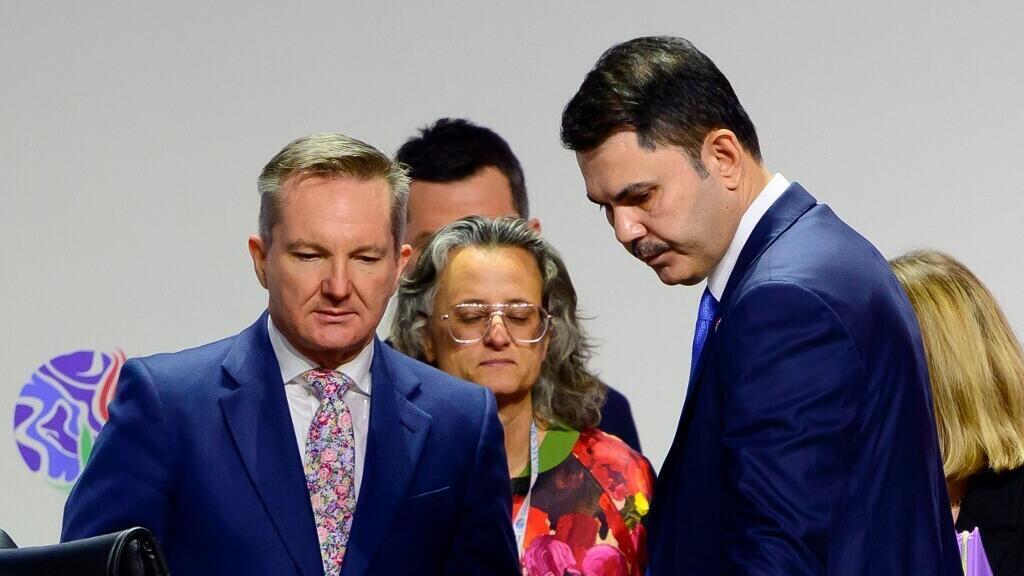
- The Turkish presidency officially announces the failure to adopt the COP31 final draft agreement following the longest negotiations in climate summit history.
- The European Union and France led the opposition, condemning the text as a step backward that ignores the primary driver of global warming.
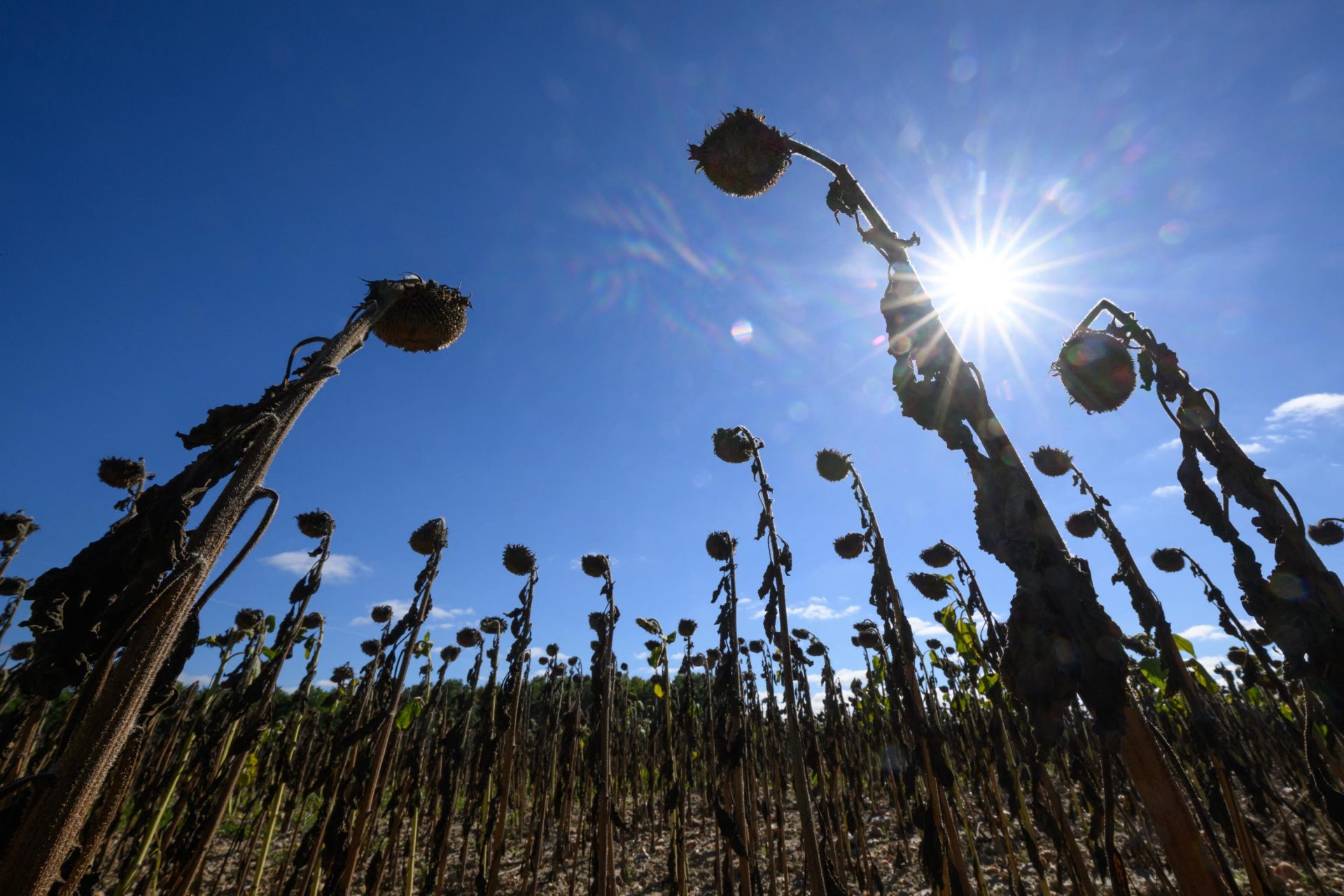
- The diplomatic collapse comes at the end of a year marked by unprecedented climate disruptions and successive heatwaves directly impacting France and Europe.
The Turkish presidency of the United Nations Climate Change Conference (COP31), held in the city of Antalya, announced on Sunday the rejection of the compromise draft it presented to conclude the 31st session, following arduous negotiations that lasted more than two weeks and became the longest in the history of climate summits.
Conference President Murat Kurum of Turkey explained during the closing plenary session: "It is clear that some parties in this room object to this text. We note the lack of consensus on this document, and accordingly, these decisions have not been adopted." Passing resolutions at climate summits requires the consensus of all nearly 200 participating countries.
A Firm Stance from France and the European Union
The collapse of the agreement came after it collided with a resolute front of opposition led by the European Union, protesting the final draft's complete omission of any explicit reference to abandoning or phasing out fossil fuels, despite containing calls for electrification. Irish Climate Minister Darragh O'Brien, representing the rotating presidency of the Council of the EU, expressed his categorical rejection, stating: "We will not agree to a decision that does not even mention fossil fuels, which are the main driver of climate change," adding that the conference had become "a hostage in the hands of oil-producing nations." Panama officially joined this rejection, while China expressed its acceptance of the final text.
On the French front, Minister for Ecological Transition Monique Barbut voiced her deep dismay, pointing out that the proposed text "takes us backward"—a position echoed by her German counterpart, Carsten Schneider, who described the draft agreement as "unacceptable."
Direct Climate Repercussions and an Unprecedented Setback
This diplomatic failure marks the biggest setback for UN climate negotiations since the Copenhagen Summit (COP15) in 2009. The breakdown is particularly sensitive as it concludes a year marked by unprecedented climate disruptions and consecutive disasters, manifested in suffocating, recurrent heatwaves that struck France and the European continent, as well as violent natural catastrophes worldwide, such as the "mountain tsunami" in Nepal.
Despite its failure, the proposed text had acknowledged for the first time that global warming is on track to breach the 1.5-degree Celsius threshold pledged in the historic 2015 Paris Agreement, calling for the expansion of carbon capture technologies—a measure critics deemed cosmetic and inadequate in the face of a climate crisis threatening the livelihoods of millions in Europe and across the globe.
Source: RFI
Comments (0)
You must log in to comment on articles.
Log in Sign upBe the first to comment on this article.