

Coinciding with Black Friday: Does Decluttering in France Help Rationalize Consumption?
Ahead of Black Friday, French households are increasingly sorting and selling their unused belongings, balancing the desire for extra income with the growing need to rationalize consumer habits.

- A 237% surge in classified listings was recorded on the Leboncoin platform ahead of Black Friday deals.
- Selling unused items can generate an average additional income of €320 for households.
- Sociologists advocate for a culture of repair and moderation instead of merely recycling cash to buy new goods.
With the arrival of the "Black Friday" discount season, many residents in France turn to their closets to sort through accumulated possessions—from neglected toys and read books to unused items. For a broad segment of the population, particularly families seeking to rein in expenses, this process has become a way to achieve economic gains and rethink daily purchasing habits.
Extra Financial Gains for Households
Before embarking on shopping sprees and acquiring the new, consumers often move to discard and sell the old. Figures from the popular online classifieds platform "Leboncoin" point to a noticeable spike in weekly listings, which jumped from around 381,000 at the beginning of the year to 1.28 million by mid-November—a 237% increase, propelled by a sharp acceleration since the final week of October.
This phenomenon reflects a desire to improve purchasing power; a study conducted by the "OpinionWay" institute on behalf of the platform revealed that 86% of French people own unused items that, if sold, could generate an average supplementary income of €320 per household.
Children's toys and books topped the list of the most offered items for sale. Action figures and miniature dolls ranked first with a total of 185,793 listings, followed by board games with 143,685 listings, and then building toys. In the book category, novels and literary works led the rankings with about 185,497 listings, followed by comic books and manga with 182,048 listings.
Environmental Awareness or Recycled Consumerism?
Julie Madon, an associate researcher at the LIRIS-CNRS laboratory and the Center for the Sociology of Organizations specializing in consumption practices and ecological transition, believes that decluttering belongings is not limited to its material aspect; it also provides an opportunity to reflect before buying and regain control over expenditures.
The researcher explains that the landscape carries clear paradoxes. On one hand, there is a societal awakening regarding the value of objects and their environmental impacts; on the other, society remains governed by patterns that elevate consumption as a means of expression and social distinction. She adds that minimalist trends and decluttering challenges, such as the "3-3-3" wardrobe challenge popular on TikTok, may not necessarily signify a retreat from consumerism if the goal of selling is simply to generate cash to immediately purchase other goods.
A Culture of Repair and Moderation
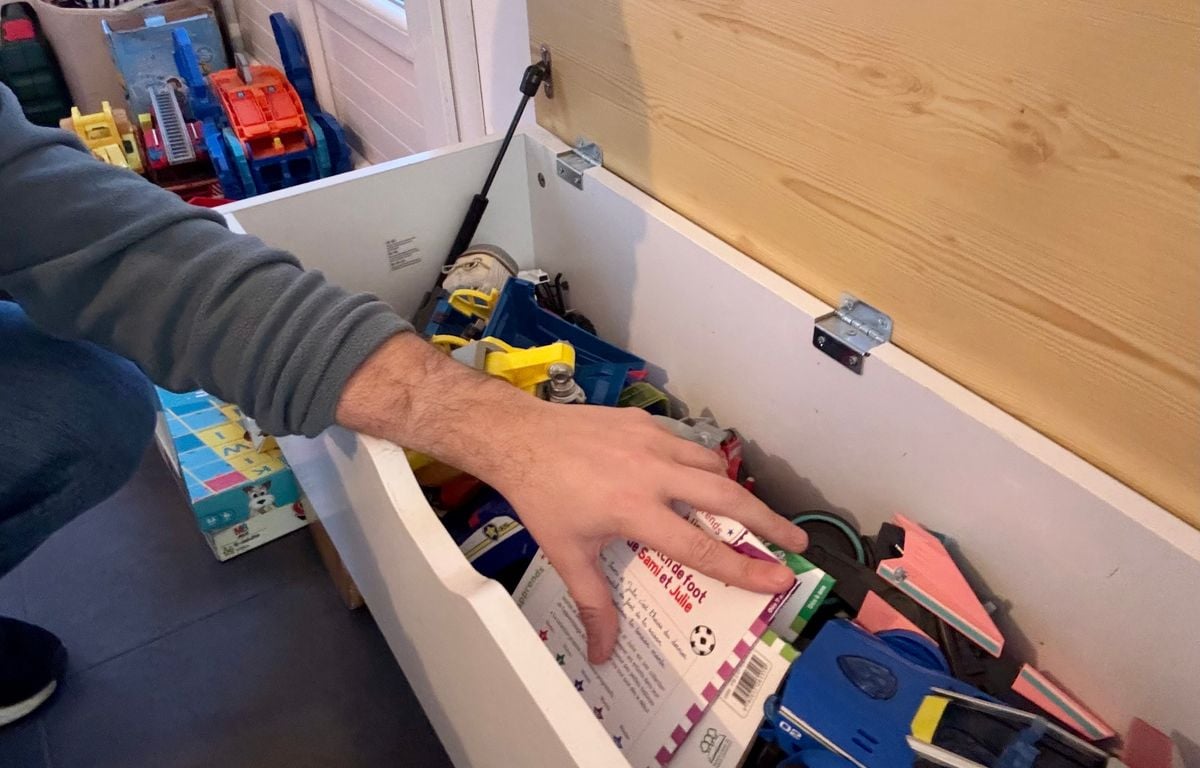
Conversely, real-life experiences point away from the commercial purchasing frenzy. Luc, a French father, recounted how he and his children rediscovered old toys and managed to repair a forgotten Hot Wheels garage. This saved him more than €100 that would have gone toward buying a new replacement from the holiday gift list, stressing that fixing things allows for quality time to be shared among family members.
Sociologist Julie Madon concludes by emphasizing that decluttering holds emotional and ethical dimensions tied to preventing waste, in addition to the environmental dimension that extends product lifespan and curtails the manufacturing of new goods. She stresses that reuse is a positive step, but its true value lies in being integrated into a comprehensive effort to rationalize consumption and adopt a more moderate lifestyle.
Source: 20 Minutes



Comments (0)
You must log in to comment on articles.
Log in Sign upBe the first to comment on this article.