

Anticipation Ahead of Gambia's Presidential Election and Moroccan Bet on Advanced Education to Curb Brain Drain
Gambia braces for a critical presidential election on December 5 amid mounting public discontent, while Morocco showcases an advanced educational model aimed at retaining African talent and curbing brain drain.

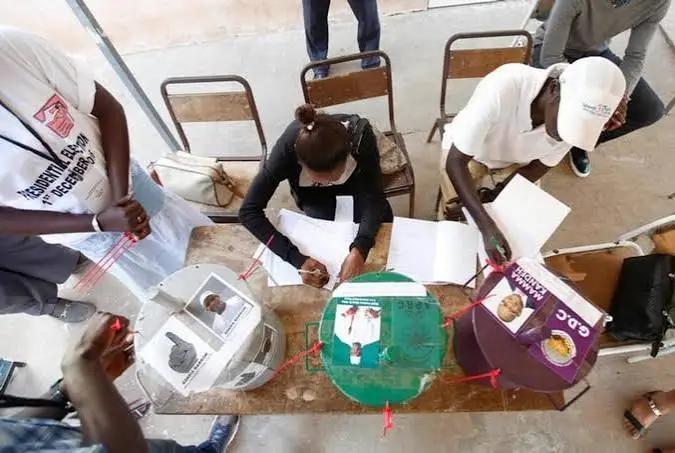
- Five candidates officially approved to contest Gambia's upcoming presidential election on December 5.
- Growing public anger in Gambia driven by frequent power outages and poor basic services.
- Morocco's Mohammed VI Polytechnic University bets on artificial intelligence and advanced technology to retain talent in Africa.
The political scene in Gambia is witnessing widespread anticipation ahead of the presidential election scheduled for December 5, as incumbent President Adama Barrow seeks a third term in office. The vote is seen as a crucial and defining test for the current administration amid mounting public discontent over frequent electricity blackouts and the deterioration of basic public services.
To date, the candidacies of five contenders have been officially accepted to enter the presidential race, led by the president's most prominent opposition rivals alongside a popular young candidate. This presents the ruling government with a significant electoral challenge amid pressing demands to improve living conditions and public utilities.
Advanced Education and the Bet on Curbing Brain Drain
In terms of human development and the future of the continent's youth, training engineers, researchers, and decision-makers—along with retaining talent within Africa—stands out as one of the most critical contemporary priorities engaging academic circles and policymakers to stem the brain drain abroad.
In this context, the Moroccan experience highlights this vital issue through the Mohammed VI Polytechnic University, whose programs focus on scientific research, innovation, and cutting-edge training in artificial intelligence, robotics, and agriculture. The initiative seeks to address the pressing question of whether internationally standardized academic institutions can be made accessible to a broader population, and whether this pioneering academic model can be replicated across African nations.
Source: France 24



Comments (0)
You must log in to comment on articles.
Log in Sign upBe the first to comment on this article.