

Trial of the 'Martyr of the A10 Motorway': Mother of Young Inès Claims Memory Loss Before Blois Assize Court
A heavy atmosphere gripped the Blois Assize Court as 72-year-old Halima El Bakhti took the stand, facing charges of torture and barbarity leading to the death of her four-year-old daughter, Inès, in the cold case known as the 'Martyr of the A10.'

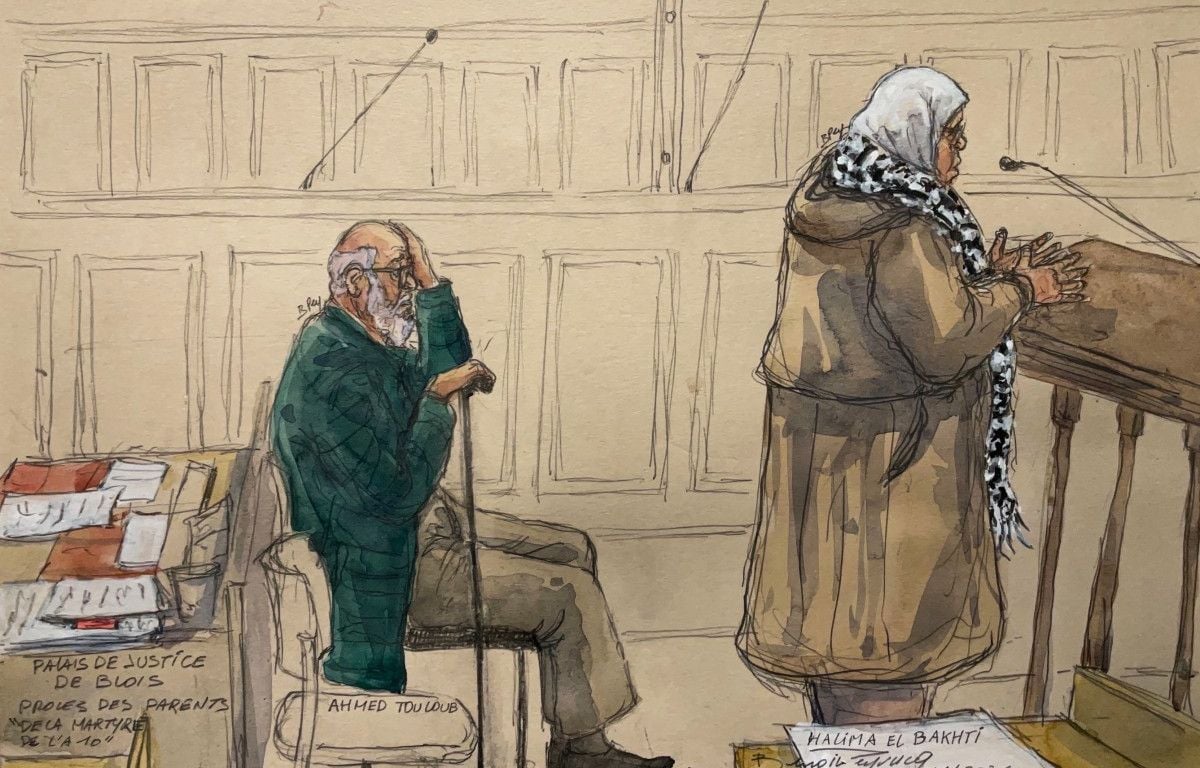
- Halima El Bakhti (72) appears before the Assize Court charged with acts of torture and barbarity resulting in the unintentional death of her 4-year-old daughter, Inès.
- The defendant admits to slapping the child but claims not to recall the deep bite marks and multiple fractures, attributing the tragedy to her isolation and difficulties integrating after moving from Morocco.
- Forensic reports and testimonies from the victim's older sisters refute the mother's attempts to shift criminal responsibility for the fatal injuries onto her former husband.
A heavy and somber atmosphere hung over the Blois Assize Court on Friday as the detailed interrogation of 72-year-old Halima El Bakhti got underway. She is on trial for acts of torture and barbarity that led to the death of her four-year-old daughter, Inès, without intent to kill—a notorious French case known as the "Martyr of the A10 Motorway," which had remained an unsolved mystery since the child's mutilated body was discovered along the roadside on August 11, 1987.
Selective Memory in the Face of Gruesome Injuries
Dressed in a beige coat and a white headscarf, the defendant stood behind the dock to admit committing violent acts against her four-year-old daughter, but she quickly took refuge in memory loss whenever the presiding judge confronted her with the horrific details of the injuries. Asked how one of the child's nipples had been torn off, she replied: "It's horrible... there was only me; things were not going well between me and my daughter."
While she admitted to slapping the child, she denied having any recollection of the deep bite marks that covered the young girl's body and left her disfigured, repeating: "I remember the slaps, but the biting, I don't remember." The medical evidence did not end there; the judge confronted her with untreated, old fractures in the child's forearm, tibia, elbows, and wrists, to which the defendant offered only terse replies without clear explanations.
Roots of Tragedy and Isolation in France
The roots of this tragedy trace back to Morocco, where Inès was born on July 3, 1983. The defendant stated that just ten days after giving birth, she was forced to leave her newborn with her grandmother in Casablanca and return to France at the request of her husband, Ahmed Touloub—who is also on trial for complicity—to help him run the family grocery store in the Paris suburb of Puteaux.
When the mother returned a year later to bring her daughter to France, the child did not recognize her and faced immense difficulty adjusting; she cried constantly, resisted care, and withdrew into isolation. During the hearing, the accused attempted to link what happened to her personal suffering and isolation in France, her frustration after leaving her teaching career in Morocco, and ongoing issues with her husband. She sought to explain her failure to seek assistance from social workers or her children's school by claiming unfamiliarity with administrative procedures—a defense dismissed by the presiding judge, who reminded her of her educational background as a former teacher.
Attempting to Blame the Husband
The defendant sought to shift the blame for abandoning the child's body along the A10 motorway onto her former husband while the family was traveling toward Morocco, claiming she was surprised by the child's death inside the car and that the father was the one who coldly decided to leave her there. However, forensic examinations proved beyond doubt that the bite marks found on Inès's body did not match the father's dental impressions, while the victim's two older sisters confirmed during investigations that their father was not present in the home when the tragedy unfolded.
Asked if she held any fond memories of her late daughter, the defendant replied: "Yes, in Morocco when she was born"—a period that amounted to no more than ten days—before concluding with a brief admission to the court: "I was not a good mother."
Source: 20 Minutes


Comments (0)
You must log in to comment on articles.
Log in Sign upBe the first to comment on this article.