

How Europe Unravels: Is the European Union Collapsing from Within? Four Elections That Could Shape the Continent's Fate
The European Union faces unprecedented political friction as cost-of-living crises and four pivotal 2027 elections in France, Germany, Italy, and Poland threaten to hollow out continental integration from within.

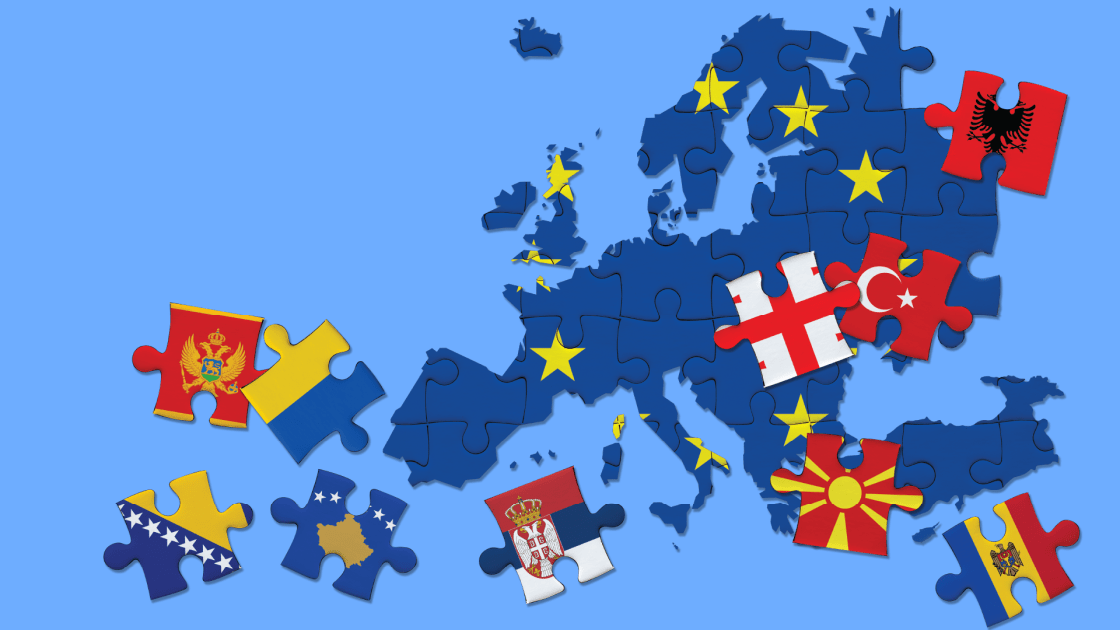
- The report indicates that the European Union faces a critical juncture driven by cost-of-living crises, amid anticipation of crucial 2027 elections that could reshape the continent's political landscape.
- The analysis warns of the fallout from the rise of the far right in France led by Marine Le Pen and in Germany via the AfD, threatening European integration and Franco-German coordination.
- The piece notes that upcoming political dynamics in Poland and Italy could intensify disputes with Brussels and negatively impact continued support for Ukraine.
- It stresses that the real danger lies not in an immediate formal collapse of the bloc, but in the gradual erosion of its decision-making capacity and the loss of political consensus among member states.
A Crisis of Confidence and a Decisive Juncture
The European Union is entering a phase of political instability that does not threaten its formal dissolution, but rather manifests in a gradual erosion of its ability to make decisions and perform its role. Demonstrations are growing in France, Germany, Italy, and Spain, reflecting a genuine cost-of-living crisis: rising living expenses, deteriorating public services, and an increasing perception that governments are unable to provide decent housing and economic stability. This widening gap between citizens' expectations and fiscal realities foreshadows radical shifts in the political landscape; Spanish voters may oust Prime Minister Pedro Sánchez in favor of a right-wing government that includes the far-right Vox party. In 2027, nine elections will be held across EU member states, four of which—in France, Germany, Italy, and Poland—carry particular strategic weight, as far-right forces could pursue policies that undermine European integration, support for Ukraine, and collective continental security.
France: Le Pen in the Lead and an Expected Earthquake
The French presidential election in April 2027 remains the most critical of all. Marine Le Pen is steadily advancing to become France's first far-right president since the Vichy era, with her approval rating rising to 36% according to recent opinion polls, while support for her centrist rivals, Édouard Philippe and Gabriel Attal, hovers between only 7% and 15%. This decline in the ruling establishment's standing stems from the October 2026 protests and worsening living conditions, along with the fallout from surging energy prices caused by international conflicts. Should she win, a Le Pen presidency would represent a true earthquake for the European project; she intends to withhold France's contributions to the EU budget, halt aid to Ukraine, freeze EU enlargement, and even threaten the stability of the Single Market itself—policies that would paralyze European integration as a whole.
Germany: A Staggering Center and the Rapid Ascent of the Far Right
Across the Rhine, the German government led by Chancellor Friedrich Merz is grappling with an economy still burdened by high energy costs, an eroding industrial base, and sluggish growth, while the far-right Alternative for Germany (AfD) party gains momentum, breaking into new strongholds in western industrial states. The situation is further aggravated by internal divisions within the governing coalition, which impede the implementation of crucial reforms in energy, taxation, and pensions. Five state elections scheduled for 2027 could widen the rift and heighten the government's inability to meet citizens' demands. Without effective coordination between Paris and Berlin—the historic engine of European integration—forging a shared European consensus will become far more difficult.
Poland and Italy: Threats from the East and South
In Poland, the upcoming parliamentary elections could usher in a far-right coalition led by the Law and Justice party and its allies, potentially heightening tensions with Brussels and curtailing support for Ukraine. In Italy, despite the stability of Giorgia Meloni's government and her pragmatic approach toward Europe, new challenges are emerging with the rise of the "National Future" party led by Roberto Vannacci, which espouses skeptical stances toward NATO and aid to Ukraine. Securing around 10% of the vote could make it an influential force pushing Meloni toward harder-line positions, disrupting critical decisions on the EU budget, foreign policy, and migration.
No Immediate Collapse, but a Slide Toward Decline
Outcomes do not need to deteriorate across all four nations for the European Union to be fundamentally shaken; a Le Pen victory in France and governmental deadlock in Germany would be enough to cause deep fractures. Ukraine and continental security would be the biggest casualties as assistance shrinks and the coalition of committed nations narrows. The danger lies not in the formal demise of the EU, but in the collapse of the political consensus that has underpinned the European project for seven decades—an end that may come not with a bang, but through a gradual, irreversible decline.

Comments (0)
You must log in to comment on articles.
Log in Sign upBe the first to comment on this article.