

France: Early Increase in Minimum Wage (Smic) by €24 Per Month Starting December
French Prime Minister Sébastien Lecornu has announced an early hike in the national minimum wage (Smic) starting December 1, bringing the net monthly wage to around €1,502 alongside corporate tax relief, amid criticism and strike calls from trade unions.

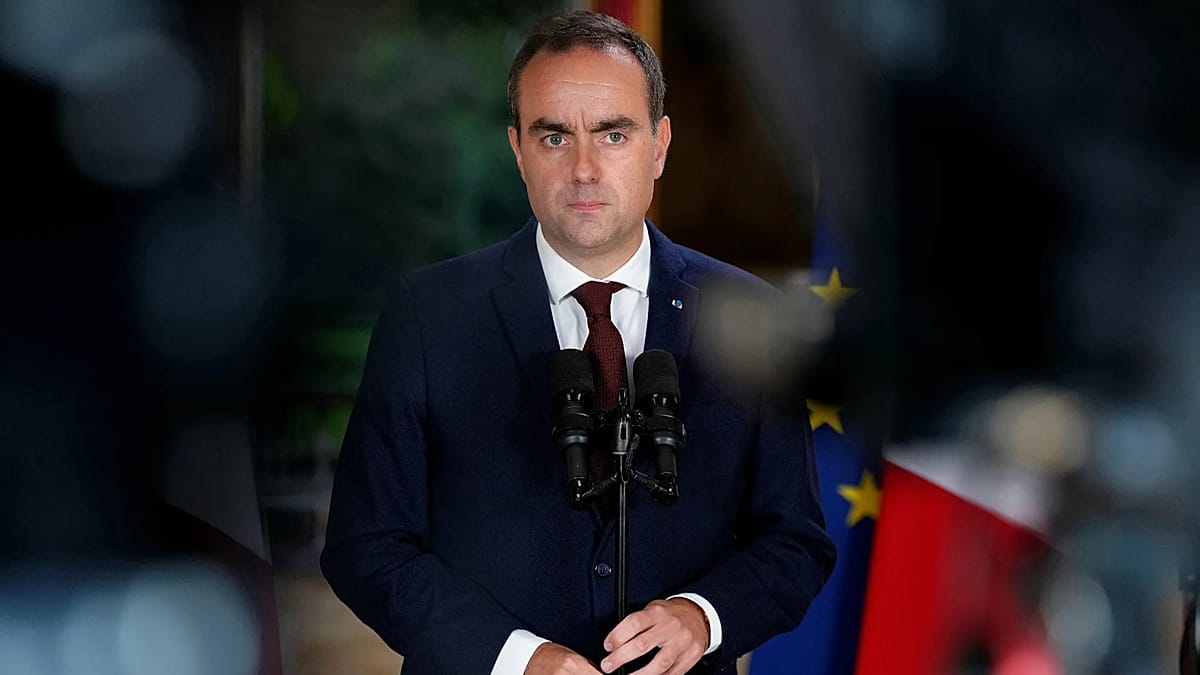
- Minimum wage (Smic) to be raised by 1.6% (approx. €24 net) to reach €1,502 per month starting December 1.
- Adoption of tax incentives and relief for companies covering overtime hours, commuting allowances, and the value-sharing bonus.
- Trade unions view the increase as insufficient, with the CGT confederation calling for strikes and demonstrations on November 17.
French Prime Minister Sébastien Lecornu has announced that the increase in the national minimum wage (Smic) will be brought forward to take effect on December 1 instead of January 1, 2027. The decision came at the conclusion of a conference held on Monday morning at the Hôtel de Matignon with labor and employer representatives, aimed at addressing social tensions and bolstering purchasing power while taking corporate concerns into account.
Details of the Minimum Wage Increase
Under the new decision, which will soon be enacted through an official decree, minimum wage earnings will see an increase of 1.6%, equivalent to approximately €24 net per month, bringing the total net salary to about €1,502 per month. Lecornu described this hike as the "second most significant wage revaluation over the past two decades."
The head of government clarified that this increase alone is not sufficient, but it represents the kick-off for a round of collective bargaining on wage increases across various professional branches. He also announced the launch of a working group to reform general exemptions on social contributions, with the aim of increasing the net salary received by employees.
Parallel Measures to Support Businesses and Ease Burdens
To reassure the business community, which is concerned about rising labor costs, the government introduced a package of financial and fiscal incentives. These include exempting overtime pay from taxes up to a ceiling of €10,000, tax exemptions for employer contributions to public transit expenses, and exemptions related to the "value-sharing bonus" (known as the prime Macron), under which companies award bonuses to employees with preferential tax and social terms.
Lecornu defended his government's approach, emphasizing his commitment to delivering practical, realistic solutions rather than temporary electoral promises, and calling for serious branch-level negotiations across roughly one hundred professional sectors.
Union Reactions and Call for a Strike
Conversely, these measures were not widely welcomed by trade union organizations, which considered them below expectations; unions had been demanding net increases ranging between €100 (CFDT) and €150 (CGT). Cyril Chabanier, president of the CFTC union, stated that the decisions fail to match the level of social anger. In response, Sophie Binet, General Secretary of the CGT, called for a new national day of strikes and demonstrations on November 17.
Source: Euronews (فرنسي)



Comments (0)
You must log in to comment on articles.
Log in Sign upBe the first to comment on this article.