

Trump Tariffs Accelerate Historic EU-Indonesia Deal to Boost Bilateral Trade
Indonesian Economic Minister Airlangga Hartarto confirmed that U.S. tariffs accelerated the trade rapprochement between the European Union and Indonesia, culminating in a historic comprehensive agreement signed in Brussels after nearly a decade of negotiations.

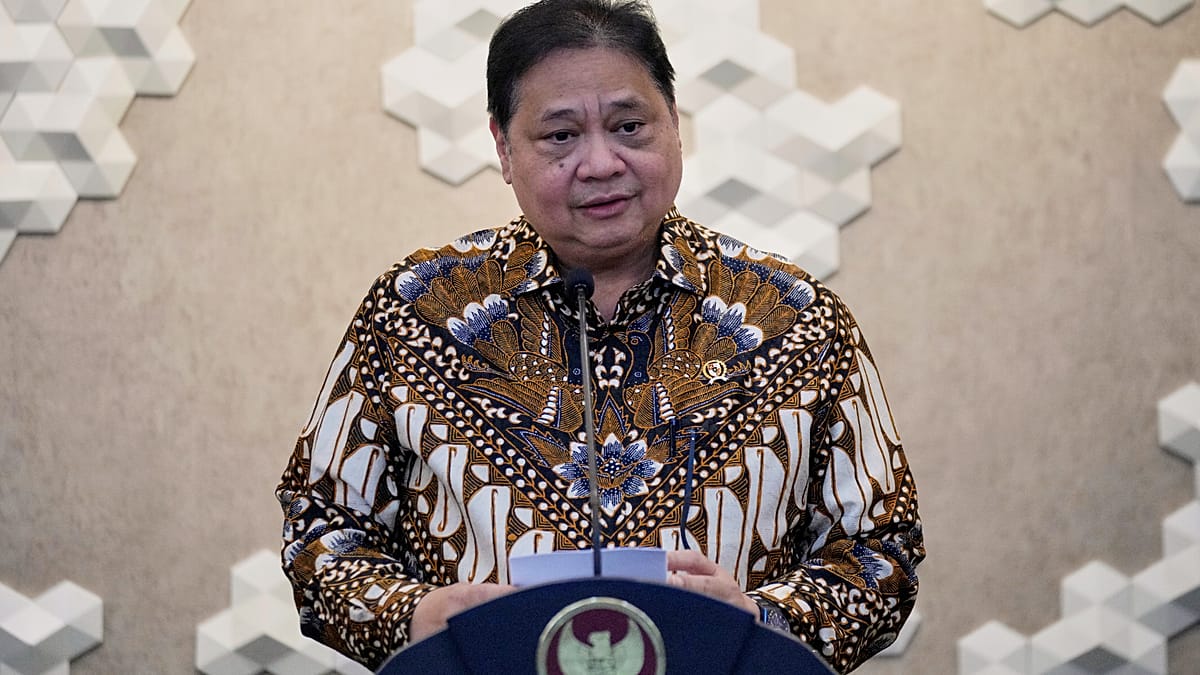
- The European Union and Indonesia signed a trade agreement in Brussels after ten years of negotiations, spurred by U.S. tariff policies.
- The deal aims to increase trade exchanges by 50% over the next three years, building on €28.9 billion in goods traded last year.
- Indonesia prepares to comply with new European environmental standards while ramping up partnerships in semiconductors and artificial intelligence.
Indonesian Coordinating Minister for Economic Affairs Airlangga Hartarto confirmed that the tariffs imposed by the U.S. administration contributed directly to accelerating the trade rapprochement between the European Union and Indonesia. This came after both sides officially signed a comprehensive trade agreement in the Belgian capital, Brussels, following grueling rounds of negotiations that lasted nearly ten years.
Promising Trade Targets and Economic Integration
The Indonesian minister explained that his country expects this agreement to help boost the volume of trade exchanges with the European bloc by 50% over the next three years. Bilateral trade in goods had reached approximately €28.9 billion last year, according to European Council data.
Responding to the impact of the tariff policies enacted by U.S. President Donald Trump, Hartarto noted a marked effect from parallel negotiations with Washington, which proposed a 19% tariff on Indonesian goods alongside newly introduced tariffs affecting 14 trading partners, including the European Union. The minister described the European and Indonesian economies as "complementary and non-competing," with each side's production covering the diverse needs of the other.
Investor Confidence and Growth Indicators
Hartarto downplayed the warning issued by MSCI regarding a potential downgrade of the Indonesian market from "emerging" to "standalone" by June 2027, describing the situation as a "broken window" that does not reflect the reality of the country's positive economic conditions, despite the Jakarta Composite Index (IDX) declining by about 38% this year. He pointed out that Indonesia is achieving growth that ranks among the highest within the G20, recording a 5.45% expansion during the first nine months of 2026, while pushing ahead with capital market reforms to enhance transparency.
He also highlighted the upcoming "New Asia" forum scheduled to be held in Bali, expecting the signing of investment deals with a total value of up to $30 billion (€27.4 billion), with 40% to 50% going to Indonesia through its sovereign wealth fund, Danantara, alongside arrangements for similar events to boost investment with the European Commission.
Semiconductor Industry Ambitions
Regarding Jakarta's bid to join the Paris-based Organisation for Economic Co-operation and Development (OECD) by 2028, OECD reports indicated the necessity of maintaining an average annual growth rate of 5.8% over two decades to reach high-income country status by 2045, while current indicators warn of a slowdown to 3.5% if measures supporting productivity are not adopted.
Jakarta is banking on the digital economy and semiconductors to achieve these goals; it has partnered with British firm Arm to train and upskill approximately 15,000 engineers in artificial intelligence and chip design, while acquiring strategic intellectual property rights to qualify it to play a pivotal role in global supply chains.
Year-End Deadlines and Environmental Conditions
Indonesian exports to the European market face two critical milestones as the new year begins. The first starts on December 30 with the implementation of the European Union Deforestation Regulation (EUDR), which requires companies to provide proof that products such as palm oil, coffee, cocoa, and rubber do not originate from deforested land cleared after 2020, amid Indonesian efforts to have its national sustainability certifications recognized under accepted European standards.
The second milestone involves Indonesia's exit as of January 1 from the Generalized Scheme of Preferences (GSP), which grants tariff reductions to developing nations, subjecting its goods to standard European customs duties until the new agreement takes actual effect. The European Parliament is expected to vote on the new agreement during its scheduled mid-December session, paving the way for a potential provisional application in early 2027 following the completion of all legislative procedures and official ratifications.
Source: Euronews (فرنسي)



Comments (0)
You must log in to comment on articles.
Log in Sign upBe the first to comment on this article.