

"A License to Kill": French Parliament Passes Controversial Law Strengthening Police Protection When Using Firearms
The French Parliament has definitively approved controversial security legislation granting police officers and gendarmes enhanced legal protection when using their firearms, a move activists and rights groups have condemned as a 'license to kill.'

- The French Senate passed the bill by 205 votes to 110, backed by the government and Marine Le Pen's party, while left-wing parties pledged an appeal to the Constitutional Council.
- The new law establishes a presumption that police officers and gendarmes acted lawfully when discharging their weapons, ending automatic police custody for security personnel.
- Human rights organizations and victims' families warn that shifting the burden of proof onto victims risks fueling abuses, amid statistics showing Arab and Black youths are four times more likely to be stopped by police.
The French Parliament has definitively approved new security legislation granting police officers and gendarmes strengthened legal protections when using their firearms. Activists and human rights defenders have denounced the measure as a "license to kill," arguing it will complicate investigation procedures and hinder accountability for security forces in a country where police violence cases rarely reach criminal courts.
Political Division and Anticipated Appeal to the Constitutional Council
The final ratification came after the right-wing-dominated Senate voted in favor of the text by 205 votes to 110 on Friday evening, following its approval by the National Assembly last July. The bill is backed by the government and the party of far-right candidate Marine Le Pen, who argued the law is necessary to avoid the automatic presumption of excessive force against law enforcement officers. Conversely, left-wing parties have vowed to appeal to the Constitutional Council, the country’s highest constitutional authority, in an attempt to block the legislation from taking effect.
Shifting the Burden of Proof and Protecting Law Enforcement
The law explicitly stipulates that "when using their weapons, police officers are presumed to have acted within the framework of the law." Interior Minister Laurent Nuñez stated that this amendment "will put an end to the automatic practice of placing a police officer or gendarme who has used their weapon in police custody (garde à vue)," considering it a measure to address a knee-jerk reaction that continuously casts doubt on the grueling daily work of security forces.
This text serves as an extension of the 2017 security law, which broadened the circumstances permitting the use of firearms to include five specific situations, such as facing an immediate threat to life or stopping dangerous fleeing suspects. However, lawyer Vincent Brengarth warned of the legal repercussions, noting that "presuming the lawfulness of gunfire means the victim will bear the burden of proving that the use of the weapon was neither necessary nor proportionate, threatening to escalate violence and making it more difficult for victims to obtain justice through the courts."
Community Concerns and Street Mobilizations
The Human Rights League (LDH) in France warned that the new legislation would impede the opening of judicial investigations into shooting incidents arising from "refusal to comply" with traffic stops or during the dispersal of protests. The issue carries significant sensitivity among minority communities, especially following a report released last year by the Defender of Rights showing that young men perceived as Arab, Black, or North African are four times more likely to be stopped by the police compared to the rest of the population.
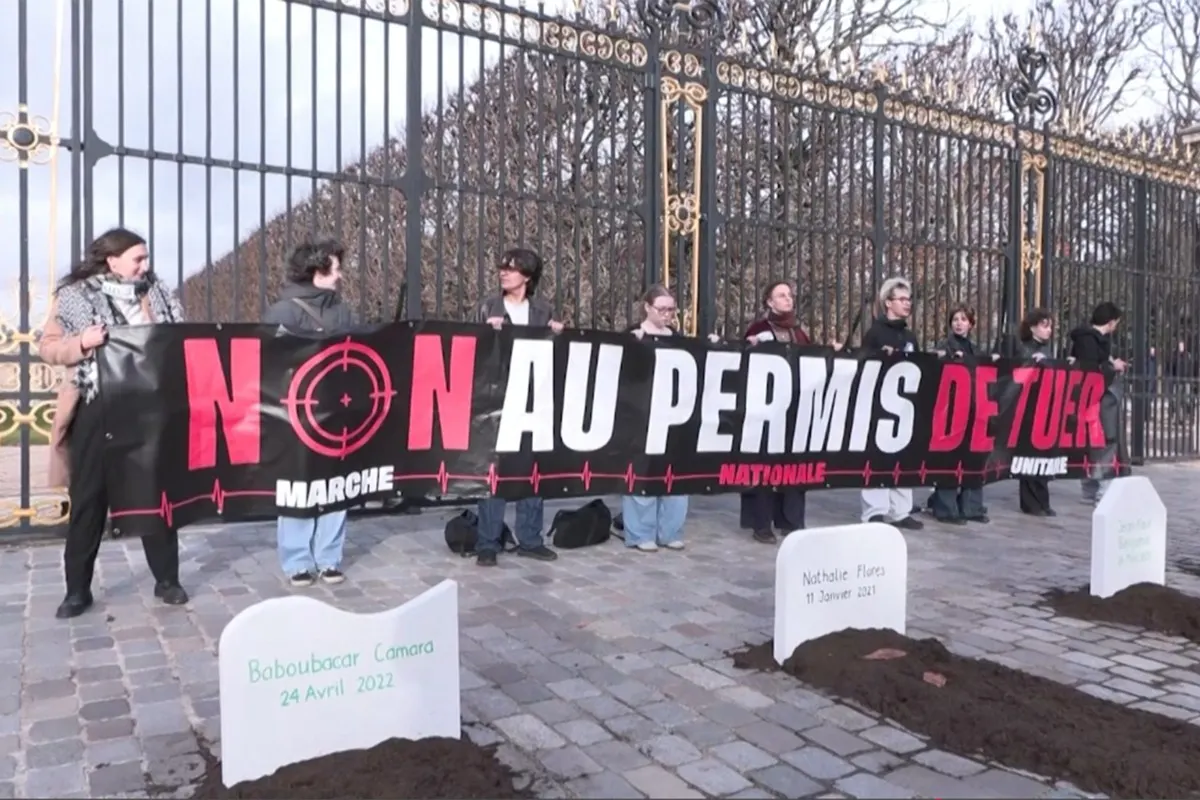
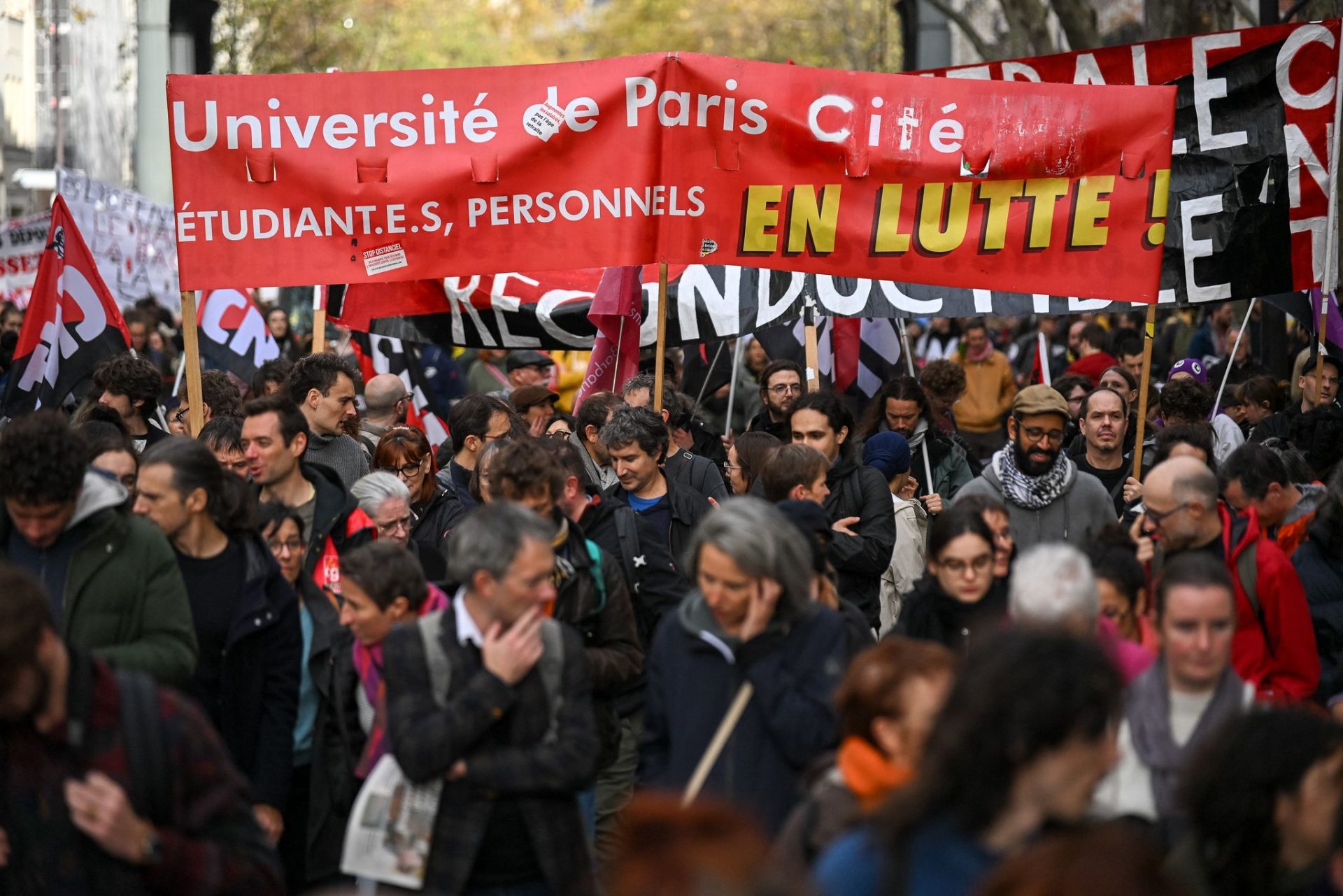
Protests erupted near the Senate building, where hundreds gathered; demonstrators set up a symbolic cemetery bearing the names of people killed by police gunfire in front of the gates of the famous Luxembourg Gardens. Samia El Khalfaoi, co-founder of the association "Stop State Violence," said: "I am angry because the state is responsible for protecting our lives, and by passing this law, it places the power to decide who lives and who dies in the hands of police officers." Her nephew, Souheil El Khalfaoi, was shot dead by police in 2021 during a traffic stop in Marseille, and his father, Issam El Khalfaoi, led a petition against the law that gathered more than 730,000 signatures.
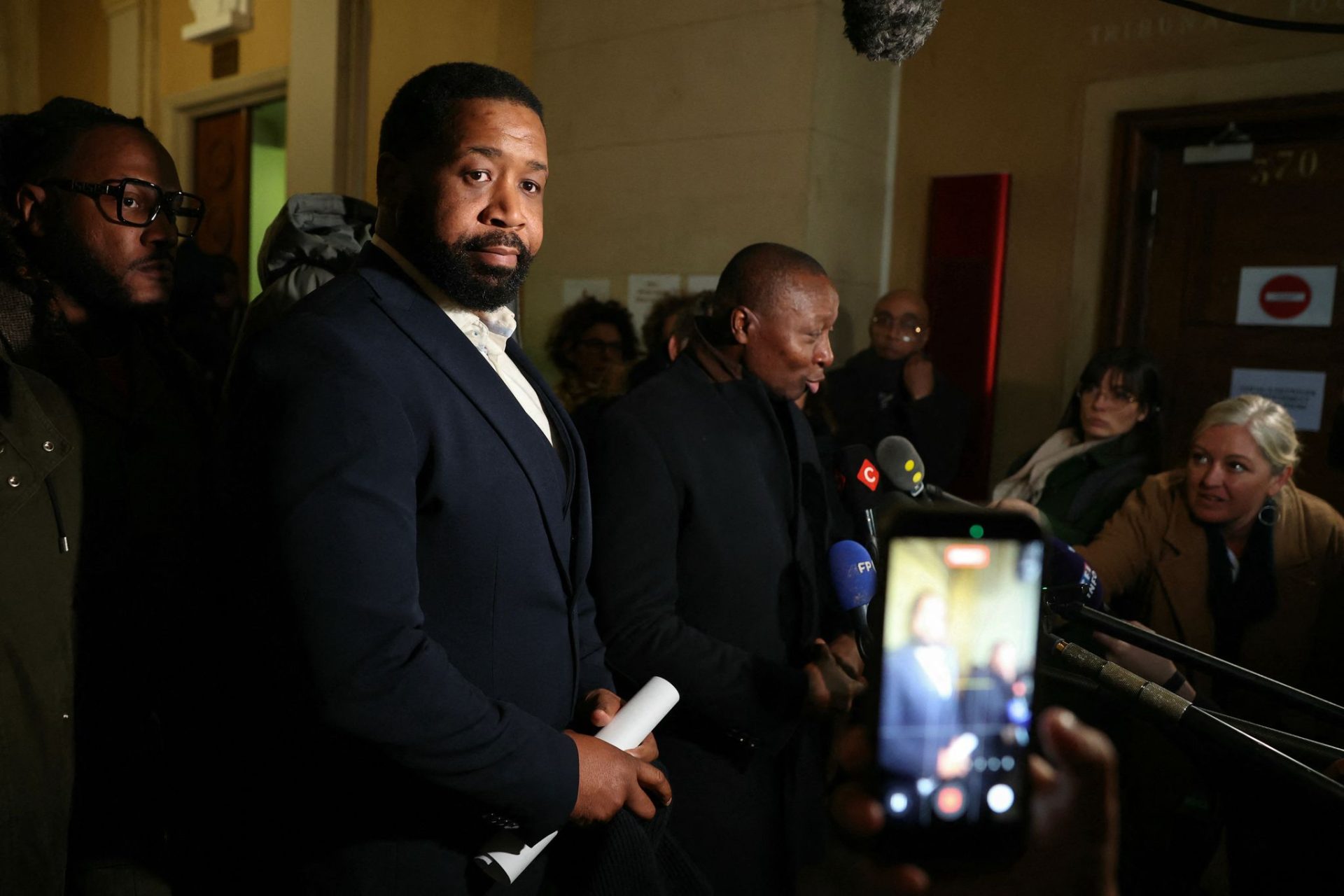
The passage of the law coincided with a sensitive judicial backdrop: a police officer was sentenced to eight years in prison after being convicted of killing a Black motorist in Paris in 2020, while an investigating magistrate ordered another officer to stand trial for fatally shooting 17-year-old Nahel Merzouk at close range near Paris in 2023—an incident that sparked widespread riots across French cities at the time.
Source: The Local

Comments (0)
You must log in to comment on articles.
Log in Sign upBe the first to comment on this article.