

Banning Nicotine Pouches in France: Doctors Warn of Black Market Boom and Harm to Vulnerable Groups
French authorities have moved toward a total ban on tobacco-free nicotine pouches by April 2026, drawing sharp criticism from public health experts who warn of black market growth and disproportionate harm to vulnerable populations.

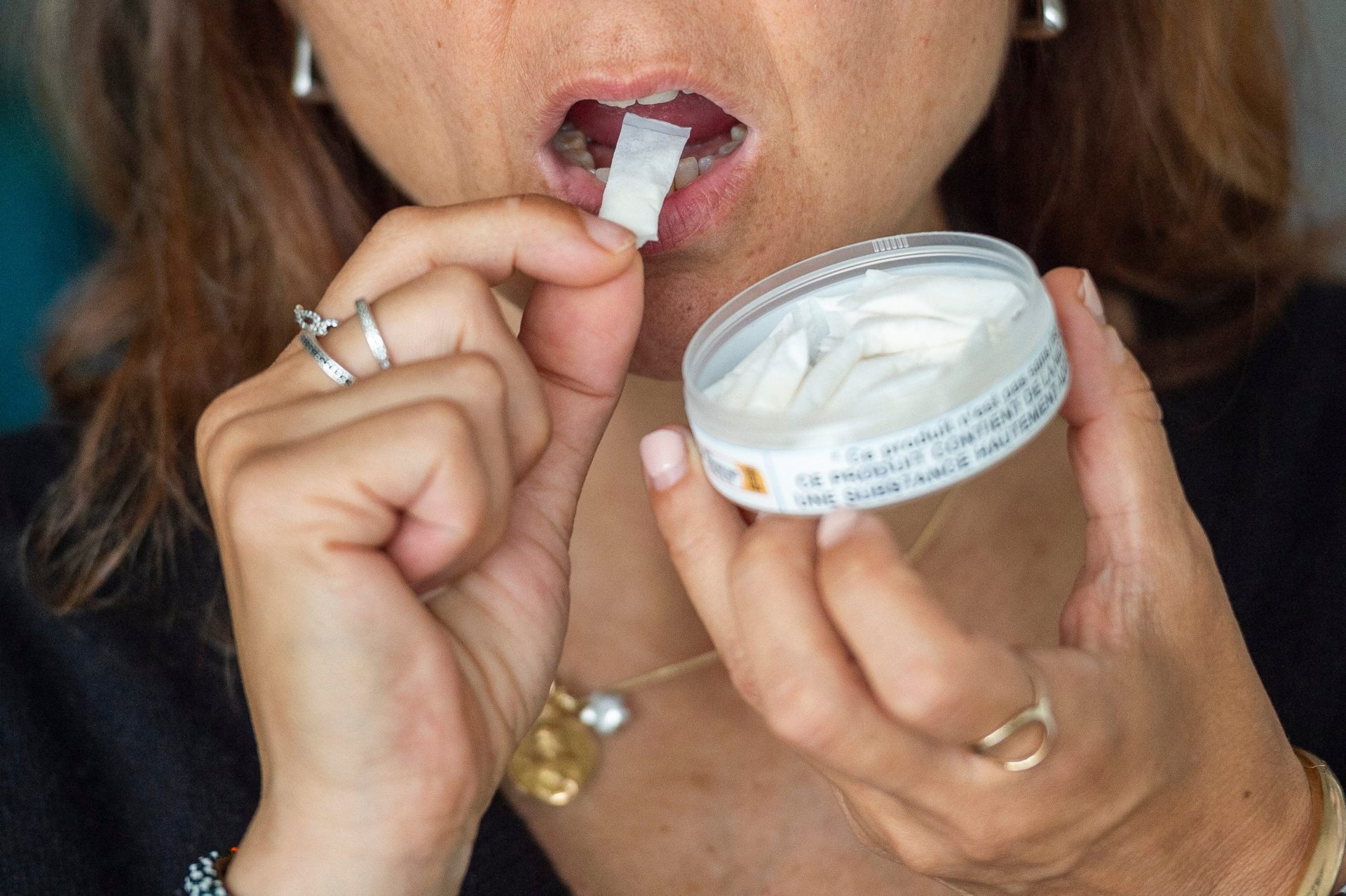
- France adopts a comprehensive ban on nicotine pouches by April 2026, accompanied by harsh penalties including imprisonment and hefty fines.
- Tobacco caused 68,000 deaths in France in 2023, marked by pronounced social disparities that place manual workers and jobseekers at the forefront of smokers.
- Public health experts warn that strict prohibition preserves the dominance of deadly conventional cigarettes and fuels organized crime networks.
Smoking constitutes an ongoing health tragedy in France, causing the death of approximately 68,000 people in 2023, mostly from cancer—particularly lung cancer—in addition to respiratory and cardiovascular diseases. Figures show that around 25% of adults smoke regularly, with a striking social disparity: the proportion of smokers exceeds 30% among manual workers and jobseekers, compared to only 10% among managerial staff, making the harms of smoking a heavy burden on the most vulnerable segments of society.
Strict Ban and Severe Penalties
As part of its plan to curb nicotine consumption, French authorities have moved to impose a comprehensive ban on tobacco-free nicotine pouches starting in April 2026, covering possession, sale, purchase, use, and importation. Authorities have established penalties described as extremely harsh, including up to several years in prison and fines reaching hundreds of thousands of euros. The government justifies this approach by citing fears of youth falling into addiction and the lack of sufficient studies on the long-term effects of these products.
Opposing Scientific Stance: Fighting Combustion, Not Nicotine
In contrast, Professor Antoine Flahault (professor at Paris Cité University) and Professor Jean-François Etter (honorary professor at the University of Geneva) warned of the counterproductive effects of an outright prohibition policy. The two experts explained that the primary danger of smoking lies in the process of "combustion," which produces tar and carbon monoxide, rather than nicotine itself, which is consumed relatively safely in pharmaceutical therapies such as nicotine patches and gum. While pouches can cause dependence, nicotine delivery to the bloodstream via pouches takes between 20 to 60 minutes, compared to a rapid peak with cigarettes (5 to 8 minutes), making them far less addictive and significantly less toxic.
International Comparisons and Successful Experiences
International experiences indicate that countries allowing combustion-free tobacco alternatives have achieved advanced health outcomes compared to France. The smoking rate dropped in the UK to 11% thanks to electronic cigarettes, and in Sweden to around 5% (the threshold classified by the World Health Organization as a tobacco-free country) as a result of oral tobacco use, while Japan saw a sharp 50% decline in smoking rates over a decade after shifting toward heated tobacco. In the same context, the US Food and Drug Administration (FDA) had authorized the marketing of nicotine pouches as an alternative that contributes to protecting public health and reducing cigarette-related illnesses.
Risks of a Thriving Parallel Market and Social Justice
Addiction specialists criticized the social dimensions of the French ban, emphasizing that prohibiting these alternatives effectively serves the continued dominance of conventional tobacco and sends an unfair message to smokers unable to quit. Previous experiences in countries such as Brazil and Australia have shown that criminalization opens the door to criminal networks and illicit trade, where products devoid of any quality or health oversight are sold, leaving low-income and marginalized consumers most vulnerable to legal prosecution and exploitation by smugglers. The experts underscored the necessity of adopting pragmatic policies based on harm reduction and youth protection through awareness and regulated taxation, rather than resorting to counterproductive punitive measures.
Source: L’Express



Comments (0)
You must log in to comment on articles.
Log in Sign upBe the first to comment on this article.