

NATO Report: Jet Fuel Shortage Exposes European Defense Fragility in the Event of War
A NATO report warns that European forces could face a severe jet fuel crisis in the event of a future conflict, driven by a sharp decline in refining capacity and shrinking strategic reserves across the continent.

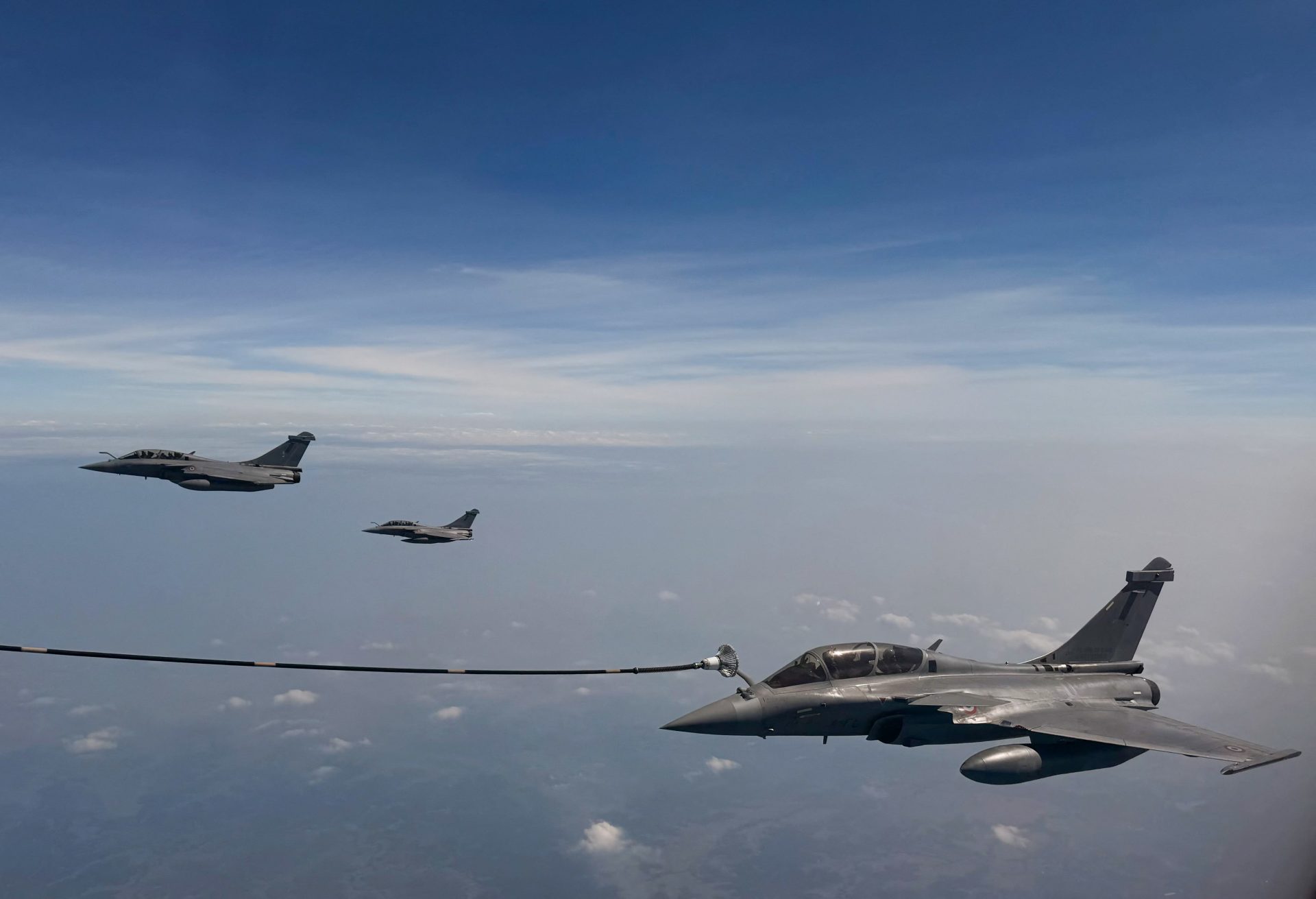
- The closure of nearly a quarter of oil refineries in Europe since 2009 has triggered a sharp decline in kerosene production and storage capacities.
- Current European jet fuel reserves cover only 49 days of consumption, whereas aviation fuel accounts for 75% to 80% of military fuel use during wartime.
- NATO urges European governments to take urgent measures to safeguard existing refineries and bolster strategic reserves in response to escalating threats.
Europe's military vulnerabilities are no longer confined to shortages of troops, ammunition, or hardware; they now extend to vital fuel supplies. According to a report titled "Fuelling the Forces to 2050," released last September by the NATO Energy Security Centre of Excellence (NATO ENSEC COE) and reported by Politico, alliance forces could face a crippling shortage of kerosene (jet fuel) should a war break out in the future.
Sharp Decline in European Refining Capacity
Researchers in the study explained that European decarbonization policies aimed at curbing reliance on fossil fuels have provided financial mechanisms to incentivize investment in renewable energy. However, they have simultaneously led to the closure of oil refineries and the reduction of storage capacities upon which militaries depend to secure their requirements. In this context, a senior NATO military official stressed that access to fuel is a fundamental pillar of defense readiness, noting that collective defense may sometimes necessitate prioritizing military needs.
Europe is currently suffering from a structural shortage of kerosene. Data from the European Commission and the industry association FuelsEurope indicate that roughly a quarter of the continent's oil refineries have shut down since 2009. This shutdown has slashed production capacity by millions of barrels, leaving only about 70 operational facilities capable of producing aviation fuel across the continent. Even more alarming is that current stockpiles cover only 49 days of kerosene consumption—a buffer likely to deplete rapidly in times of conflict, when aviation fuel's share of military fuel consumption surges from 60–72% in peacetime to between 75% and 80% during wartime.
Fears of Civil-Military Trade-Offs
The NATO study was not alone in sounding the alarm. In May, The Hague Centre for Strategic Studies (HCSS) published a report titled "No Fuel, No Fight: The Dutch Fuel Industry and European Military Readiness." The report warned that wartime shortages could force governments to choose between meeting daily civilian needs and satisfying defense-related military requirements, thereby deepening the armed forces' dependence on foreign suppliers.
Faced with this challenge, Brussels is stepping up efforts and discussions with industry representatives to bolster refining capacities. Experts maintain that averting a crisis remains feasible, provided governments take decisive action to protect existing refineries, increase strategic reserves, and accelerate the production of alternative aviation fuels while diversifying import sources.
Mounting Geopolitical Challenges
These warnings come amid heightened awareness of security threats across the European theater and an escalation in hybrid warfare activities and sabotage campaigns witnessed across the continent in recent months, fueling concerns over a potential direct confrontation with Russia. NATO Secretary General Mark Rutte echoed these apprehensions on the sidelines of the UN General Assembly on September 24, acknowledging the Alliance's concern regarding the lack of refining capacities should an open conflict erupt.
Source: L’Express


Comments (0)
You must log in to comment on articles.
Log in Sign upBe the first to comment on this article.