

Trump Seeks to Reshape European Security with Russia Amid Widespread European Fears of Marginalization
US President Donald Trump has sparked widespread controversy across Europe after proposing a 'major deal' with Russia that extends beyond Ukraine to cover the continent's entire security architecture.

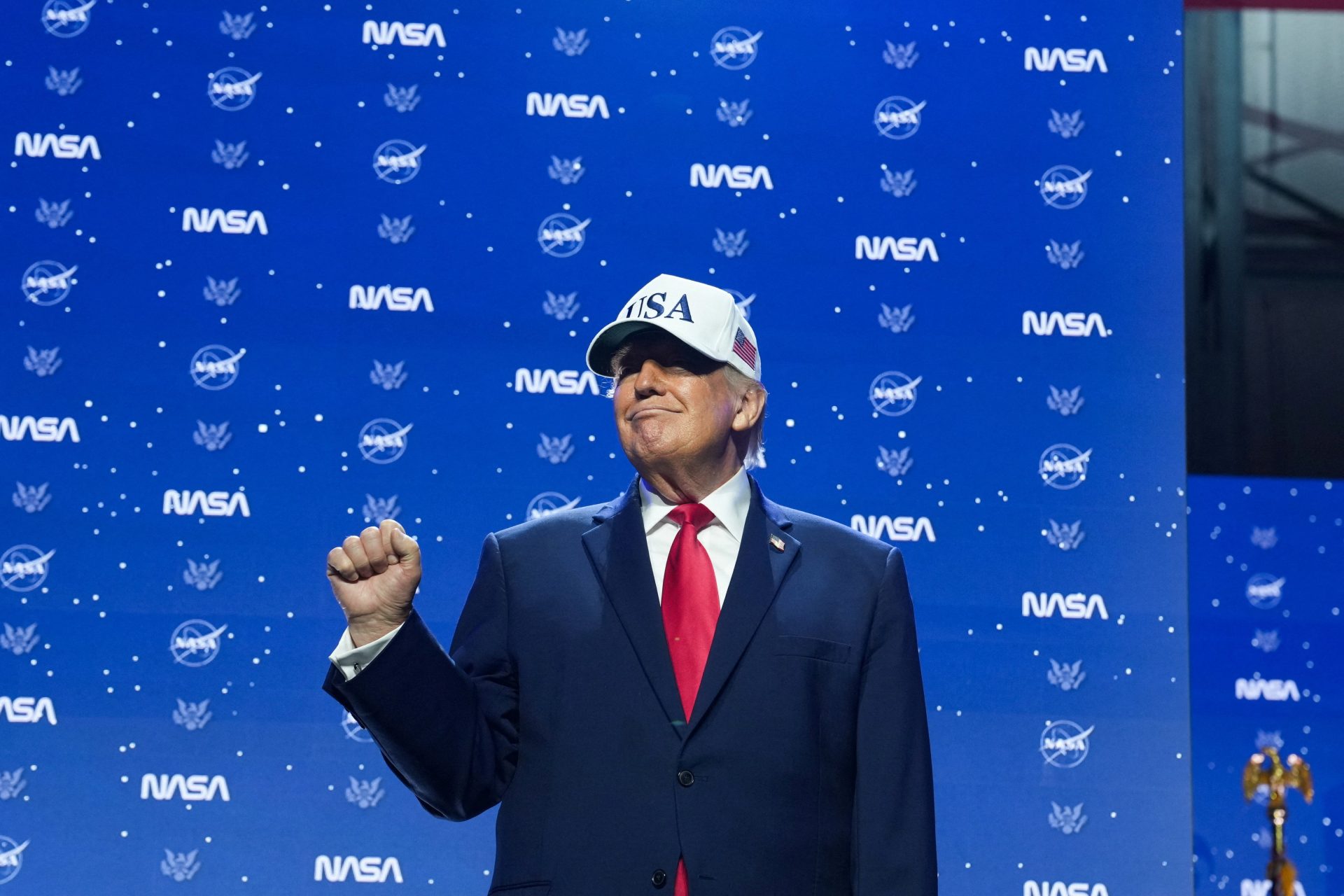
- Donald Trump announces plans for a 'major deal' extending beyond Ukraine to reshape European security with Russian involvement.
- The European Union and NATO express sharp concerns over being sidelined and firmly reject granting Vladimir Putin a veto.
- Warnings mount over the agreement's repercussions amid continued battlefield escalation and signs of rapprochement between Washington and Moscow.
U.S. President Donald Trump has sparked widespread controversy across Europe after announcing on Thursday, November 5, his intention to broker a "major deal" that would not be limited to Ukraine, but could "encompass all of Europe." This unexpected proposal comes at a sensitive time as the international community anticipates U.S.-sponsored talks between Moscow and Kyiv, scheduled to take place on November 10 and 11 in the UAE capital, Abu Dhabi, to discuss new security arrangements granting Russia a role in the European security system.
European capitals received the initiative with noticeable coolness and apprehension. The 27 European Union member states expressed concern over being excluded and marginalized, reminiscent of previous peace negotiations. In this context, EU Foreign Policy Chief Kaja Kallas affirmed the robustness of the existing framework on Friday, November 6, stating: "We already have a European security architecture; NATO and the EU are playing their roles fully," stressing that the core issue lies in Russia's violation of foundational treaties and that "Putin does not have a veto over European security."
Diplomatic Concerns and Escalation on the Ground
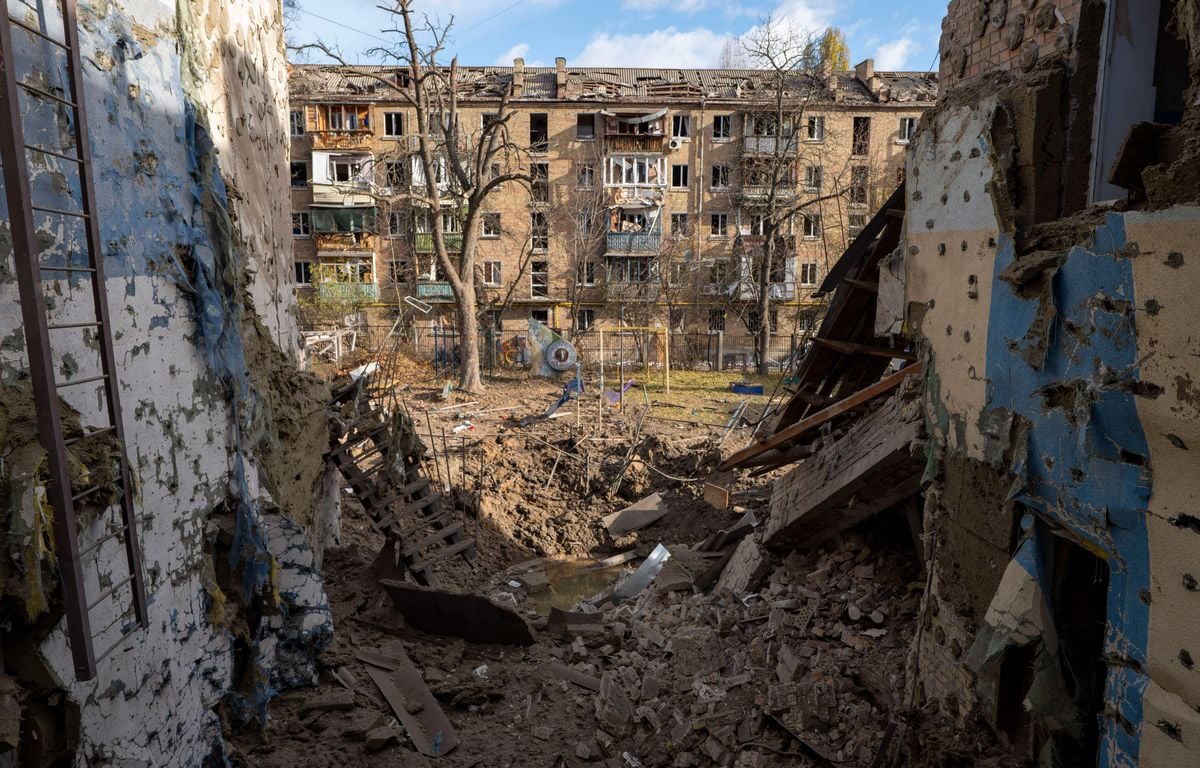
Fears are mounting across the old continent that such an agreement could bolster Russian President Vladimir Putin's diplomatic standing, particularly as Moscow intensifies its military pressure. A Russian strike targeting a humanitarian aid distribution center in southern Ukraine on Monday, November 2, killed 50 people. These developments coincide with signs of rapprochement between Washington and Moscow regarding issues such as Russian diesel imports, alongside a meeting between Trump and Kirill Dmitriev, the sanctioned head of the Russian direct investment fund, who acts as a presidential envoy for Moscow.
Five Objectives and Reservations Within NATO
According to diplomatic sources within NATO, allies received no prior notice regarding the proposed American projects, prompting broad reservations within the alliance. For his part, Jared Kushner, Trump's son-in-law and envoy, explained that the agreement aims to achieve five key objectives: permanent security consultations, reliable crisis communication channels, broader military transparency, mutual de-escalation measures, and the establishment of a sustainable framework for long-term security and stability in Europe.
In contrast, Ukrainian President Volodymyr Zelenskyy stated that he possesses no details regarding this new security framework, cautioning that concluding an agreement between Russia and Europe would not be easy and could carry immense risks. Stefan Cornelius, spokesperson for German Chancellor Friedrich Merz, highlighted a "renewed sense of urgency" surrounding negotiations following the U.S. midterm elections, noting that the matter will be raised at the informal EU leaders' summit in Dublin next week. Lithuanian President Gitanas Nausėda also emphasized that "Europe must have a seat at the negotiating table regarding peace in Ukraine and the future architecture of European security," as European leaders remain steadfast in refusing to leave the continent's destiny to unilateral decisions by Trump.
Source: L’Express
Comments (0)
You must log in to comment on articles.
Log in Sign upBe the first to comment on this article.