

"Putin Lost France and Wants to Make It Pay a Heavy Price": An Analysis of the Shifts in Paris-Moscow Relations
Russian affairs specialist Elsa Vidal deconstructs the trajectory of French diplomacy toward Vladimir Putin across four presidencies, chronicling the transition from illusions of mediation to open hybrid warfare.

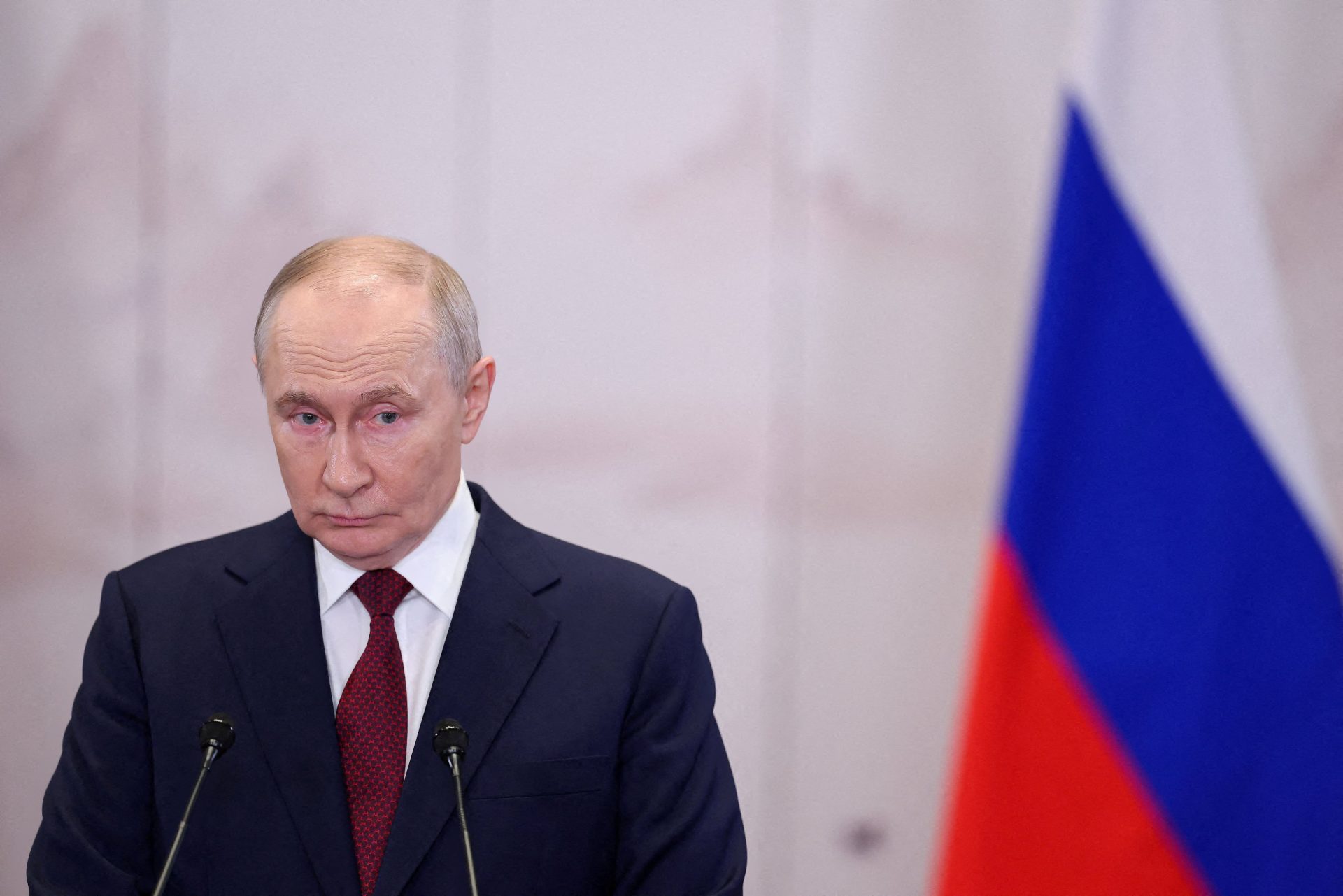
- Four successive French presidents, from Chirac to Macron, attempted to contain Putin through diplomacy before reaching a complete dead end.
- François Hollande was the sole presidential exception, refusing to make concessions to Moscow and canceling the 'Mistral' warship deal in 2014.
- Russia is now waging a hybrid and cognitive war against France to make the loss of Paris as a strategic partner costly and painful for the French.
In a critical analysis of the trajectory of French-Russian relations, author and Russian affairs specialist Elsa Vidal, during an episode of L'Express magazine's podcast, dismantled the illusions of French diplomacy in dealing with Russian President Vladimir Putin. Vidal, author of "The Russian Fascination" and "What Do the Russians Think?", reviewed the milestones of four French presidents dealing with the Kremlin chief, oscillating between political naivety and seduction, leading up to today's open confrontation.
From Chirac to Sarkozy: Illusions of Power and Mediation
The relationship between Paris and Moscow in the Putin era began with Jacques Chirac in September 2000, where Putin interacted with him like a "student before his master," capitalizing on France's Gaullist-Mitterrandist tendency as a mediating power not entirely subservient to the United States. This rapprochement peaked on September 22, 2006, when Chirac secretly awarded Putin the Grand Cross of the Legion of Honor—an incomprehensible move coinciding with the Second Chechen War, and just two weeks before the assassination of Russian opposition journalist Anna Politkovskaya on October 7, 2006.
As for Nicolas Sarkozy, who ran his 2007 presidential campaign as a human rights advocate opposed to Kremlin policies, he swiftly pivoted to the extreme limits of "realpolitik." Following the Russian invasion of Georgia in August 2008, Sarkozy negotiated a fragile six-point agreement that effectively conceded Tbilisi's demands and recognized Moscow's right to protect the interests of Russian speakers, cementing Russia's control over 20% of Georgian territory. Sarkozy went even further by attempting to sell two French "Mistral"-class warships to Russia, ignoring the warnings of his famous 2007 Munich speech.
François Hollande: The Exception That Broke the Rule
Vidal considers François Hollande to have been the most notable exception among French presidents, as he was not deceived by what he described as "Putin's cocktail" of seduction, brutality, surprise, and deceit. Hollande is credited with not seeking Russian recognition of his international stature, and he canceled the "Mistral" warship deal in 2014 following Russia's annexation of the Crimean Peninsula. Although he launched the Normandy Format and the Minsk agreements (2014 and 2015) to halt fighting in the Donbas, that European approach was seen as an attempt to buy time amid the West's failure at the time to grasp the nature of the Russian imperial machine.
Macron and the Long White Table
With Emmanuel Macron's arrival at the Élysée Palace in 2017, he sought to revive ties and build a security architecture with Russia through a "Reset" strategy, hosting Putin in Versailles in 2017 and later at Fort de Brégançon, repeatedly echoing the phrase not to "humiliate Russia." However, these endeavors culminated in a bitter setback epitomized by the scene of the long white table during Putin's reception of Macron in Moscow on February 7, 2022—symbolizing a diplomatic insult and a profound estrangement just days before the full-scale invasion of Ukraine.
A Hybrid War Targeting the French Domestic Front
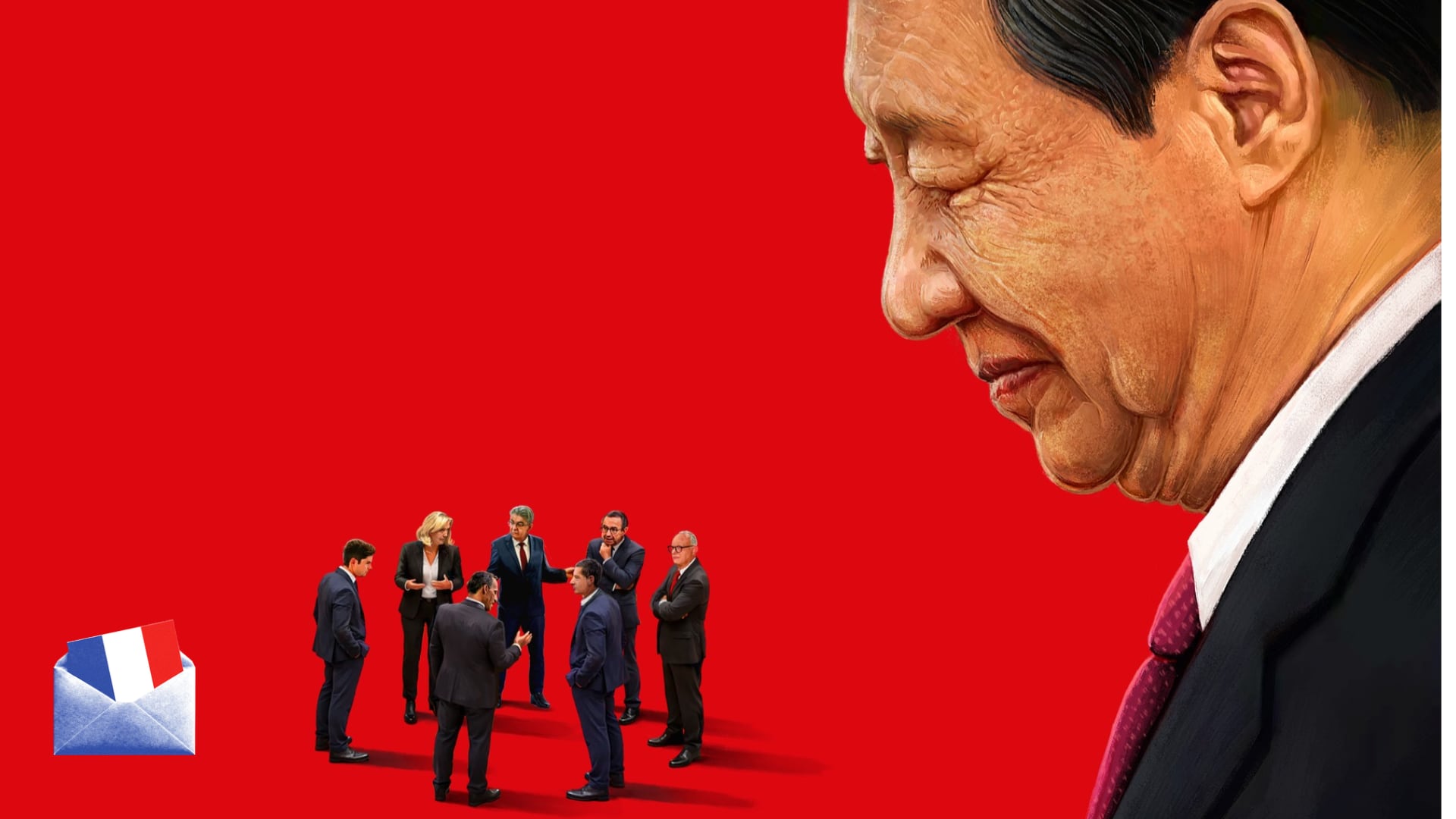
Elsa Vidal emphasizes that Moscow now views France as a lost strategic ally, given its role as a permanent member of the UN Security Council and the European Union's sole nuclear power. For this reason, Putin is waging a fierce cognitive and hybrid war against Paris, aiming to make this loss painful and costly for the French. She stresses that Russia is no longer merely a secondary security matter for France, but an immediate threat to the security of Europe as a whole.
Source: L’Express

Comments (0)
You must log in to comment on articles.
Log in Sign upBe the first to comment on this article.