

Abraham Accords: Intensive and Public Military Cooperation Between Israel and Arab Allies Amid Regional Tensions
Relations between Israel and several Abraham Accords signatories, particularly Morocco and the UAE, continue their upward trajectory through public military and security cooperation despite ongoing regional tensions.

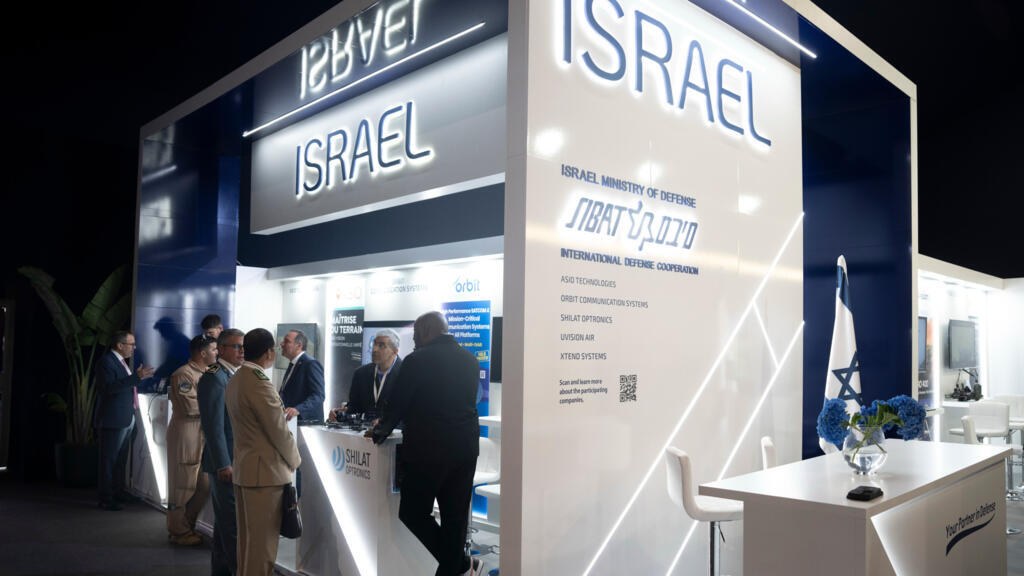
- An unprecedented military partnership between Israel and Morocco includes the manufacturing of attack drones and the procurement of advanced defense systems.
- Israeli defense support for the UAE featured the deployment of missile interception systems and military base projects in Somaliland.
- Moroccans continue to stage popular protests against normalization, while key regional players such as Saudi Arabia freeze any rapprochement pending a two-state solution.
Relations between Israel and several signatory states of the "Abraham Accords," led by Morocco and the United Arab Emirates, continue their upward trajectory through public military and security cooperation, bypassing diplomatic reservations and widespread international criticism that accompanied Israeli military operations in the Gaza Strip since October 2023.
A Strategic Shift in Morocco's Defense Procurement
Military ties between Rabat and Tel Aviv witnessed a qualitative leap following the signing of an "unprecedented" security agreement in 2021. This trajectory materialized on the ground with the establishment of a manufacturing plant by the Israeli firm "BlueBird Aero Systems" near Casablanca to produce loitering munitions (kamikaze drones), alongside the prominent participation of eight Israeli defense contractors, including "Elbit Systems" and "Rafael," in the Marrakech Air Show.
Akram Kharief, a regional security analyst at MENA Defense, notes that this rapprochement reflects a radical transformation; the Moroccan military is increasingly pivoting toward Israeli-made artillery, missiles, and air defense systems, whereas France and the United States had traditionally served as the primary sources for its military hardware.
Political Dimensions and Ongoing Popular Protests
This defense alignment extends into political understandings, including preliminary approval from Rabat to deploy troops to the Gaza Strip as part of a proposed stabilization force envisioned by Donald Trump's administration, although the initiative remains pending. Conversely, this normalization continues to provoke domestic public outrage; Moroccan cities regularly witness demonstrations opposing the accords and embassy openings, expressing solidarity with the Palestinians and denouncing violations in Gaza.
UAE-Israel Cooperation and Regional Repercussions
On the other hand, Israeli military support for the United Arab Emirates accelerated sharply following strikes and tensions with Iran, with Israeli missile and drone interception systems being deployed on Emirati soil. Coordination also extends into the Horn of Africa, particularly the territory of "Somaliland," which was recognized by Israel in late 2025; press reports citing satellite imagery revealed the construction of an Emirati military base likely designated to support Israeli and American operations.
Although Kazakhstan joined the accords in 2025, and Israeli defense sales to Middle Eastern and North African nations reached 15% of its total military exports, the war on Gaza has decelerated the regional expansion of normalization. Pivotal powers, such as Saudi Arabia, have insisted on tangible steps toward the establishment of an independent Palestinian state, turning to strengthen their alliances through alternative frameworks such as the "Mecca Pact" with Pakistan, Turkey, and Egypt.
Source: RFI
Comments (0)
You must log in to comment on articles.
Log in Sign upBe the first to comment on this article.