

Ignacio Ramonet: Fidel Castro's Intellectual Legacy Transcends the Borders of Latin America
Writer and academic Ignacio Ramonet reflects on the theoretical and political legacy of Cuban leader Fidel Castro, emphasizing that his contributions as a profound thinker extend well beyond Latin America.

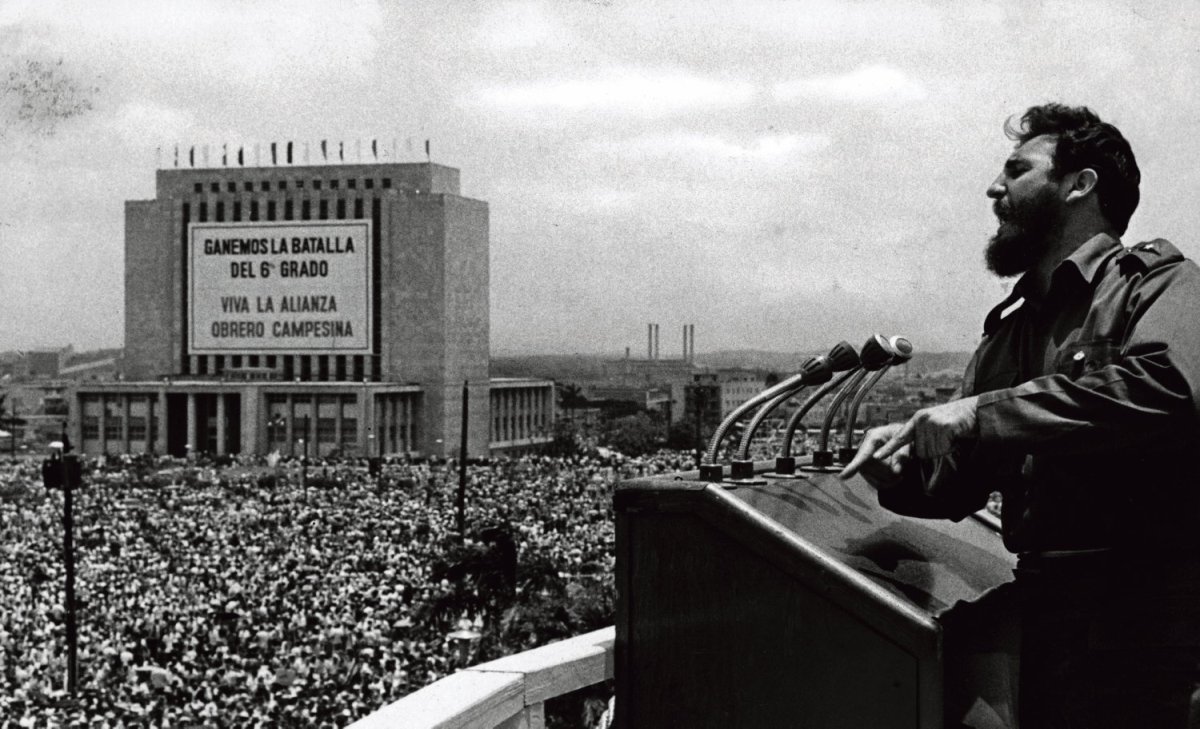
- Writer Ignacio Ramonet highlights the insufficiently studied theoretical and intellectual dimensions of Fidel Castro's legacy.
- The Cuban leader's thought synthesized Marxism, José Martí's emancipatory heritage, and the practical experiences of national liberation movements.
- Ramonet stresses that the interplay between national sovereignty and social justice formed the core of Castro's theses.
In the context of revisiting milestones of contemporary political history, French-Spanish writer and academic Ignacio Ramonet, former director of Le Monde diplomatique (1990–2008), reflected on the theoretical and political legacy of Cuban revolutionary leader Fidel Castro, ten years after his passing, highlighting the profound impact he left as one of the most prominent symbols of liberation in the Global South.
A Political Thinker Beyond Activist Reductionism
Ramonet, a specialist in geopolitics and media, one of the leading figures in anti-globalization thought, and the author of a definitive biography of Castro, explained in an interview with the newspaper L'Humanité that the theoretical heritage of the communist leader, who passed away on November 25, 2016, in Havana, possesses an exceptional magnitude that has not yet been sufficiently studied. He noted that attention has long focused on Castro as a head of state, military commander, and active revolutionary militant in 20th-century geopolitics, while his stature as a political thinker has been largely overlooked.
Multiple Emancipatory Influences Beyond Dogmatism
Ramonet emphasized that Castro was a critical and reflective thinker whose thought was never confined to rigid doctrinal or ideological molds. His theses drew on several major intellectual streams; these included Marxism naturally, alongside the pro-independence and anti-imperialist legacy of José Martí, the current of revolutionary nationalism in Latin America, and lessons drawn from the field experiences of national liberation movements.
The Inseparability of National Sovereignty and Social Justice
The academic concluded his analysis by affirming that the uniqueness of Fidel Castro's thought lies in this theoretical synthesis; he recognized that social justice, national sovereignty, and the liberation of peoples are inseparable issues. Ramonet considered this approach to be of urgent relevance today, as the "battle of ideas" intensifies on the international stage.
Source: L'Humanité


Comments (0)
You must log in to comment on articles.
Log in Sign upBe the first to comment on this article.