

A New Tax Reform to Tackle the Housing Crisis: France Raises and Unifies Tax on Vacant Properties
France is preparing to merge and increase taxes on vacant properties starting in January 2027, granting municipalities broader powers to raise rates up to 60% in an effort to curb the escalating housing crisis.

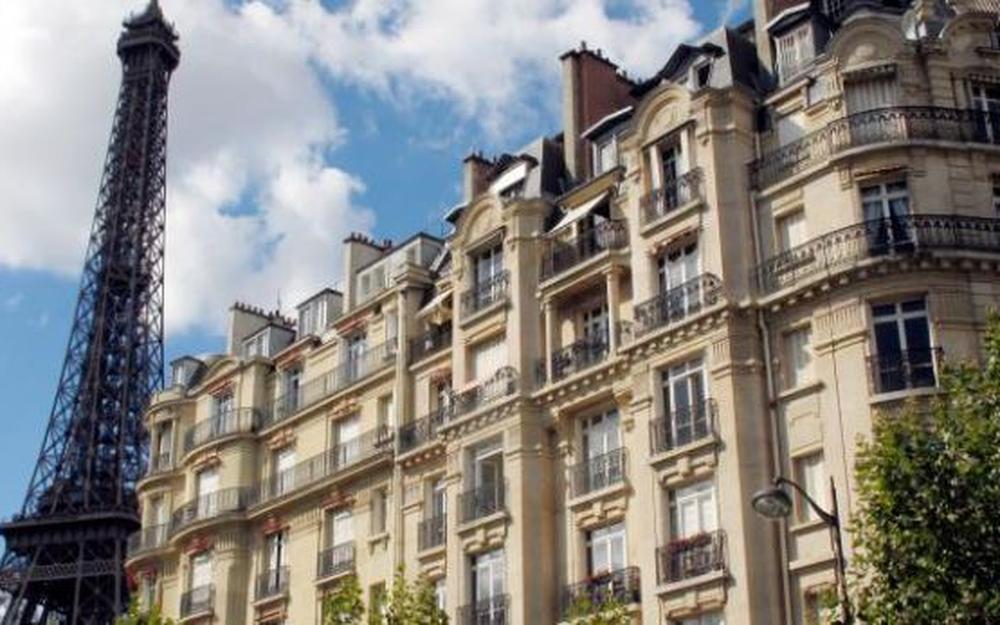
- France plans to merge its two vacant property tax systems into a single unified regime starting in January 2027 to address the housing crisis.
- The new tax rates will start at 17% in the first year and rise to 34%, granting municipalities the authority to raise them up to 60% in high-demand housing zones.
- Tax exemptions will apply to cases beyond the owner's control, such as major renovation works, employment or health circumstances, secondary residences, and properties occupied for more than 90 consecutive days.
- The reform aims to incentivize landlords to lease out hundreds of thousands of empty homes, amid criticism from opponents who argue the rates impose a heavy burden without addressing rental risks.
The New System: Unification and Escalation
Until the end of 2026, France operates under two parallel systems: the first is the "Tax on Vacant Housing" (TLV), which applies automatically in cities suffering from population pressure and high housing demand, at a rate of 17% of the annual rental value for the first year, rising to 34% starting from the second year. The second system applies in other cities at rates determined by each municipal council. Starting in January 2027, the two systems will be merged into a single unified tax known as the "Tax on Vacancy of Residential Premises."
In areas experiencing high housing pressure, the new rates will be as follows: 17% of the rental value for the first year, automatically rising to 34% from the second year onwards. Municipal councils will have the right to increase these rates up to a maximum of 30% in the first year, and a maximum of 60% from the second year onwards. In other areas, municipalities will have the authority to apply a tax rate of up to 50% of the rental value, provided that the property remains vacant for at least two consecutive years.
Who Is Exempt from the Tax?
The tax does not apply to all cases. Dwellings proven to be vacant for reasons beyond the owner's control are exempt. These include major renovation works exceeding 25% of the property's value, the need to relocate due to employment or health circumstances, as well as dwellings used as furnished secondary residences. Properties occupied by the owner or a family member for more than 90 consecutive days during the year are also exempt.
Reform Objectives and Implementation Challenges
This tax aims to reduce the volume of vacant housing in major French cities, where estimates indicate the existence of hundreds of thousands of empty homes despite high demand and soaring rental prices. Proponents argue that linking rates to the duration of vacancy will compel property owners to rent out their homes rather than bear an exorbitant cost that increases over time. Conversely, critics condemn the steep rates, which could reach up to 60%, viewing them as a tax burden weighing down property owners without resolving the genuine reasons behind reluctance to rent, such as the risks of non-payment or difficulties evicting tenants in cases of dispute.
Practical Steps for Property Owners
Experts advise property owners to monitor their properties' status starting now and report any change in occupancy status to the tax administration to avoid erroneous taxation. They also recommend keeping evidence justifying the reasons for vacancy whenever required.


Comments (0)
You must log in to comment on articles.
Log in Sign upBe the first to comment on this article.