

Israel: Gadi Eisenkot Races Against Time to Form Coalition to Oust Netanyahu Amid Complex Alliances
A month after inconclusive legislative elections, former IDF Chief of Staff Gadi Eisenkot is pushing to assemble an opposition coalition to unseat Benjamin Netanyahu ahead of a December 6 deadline.

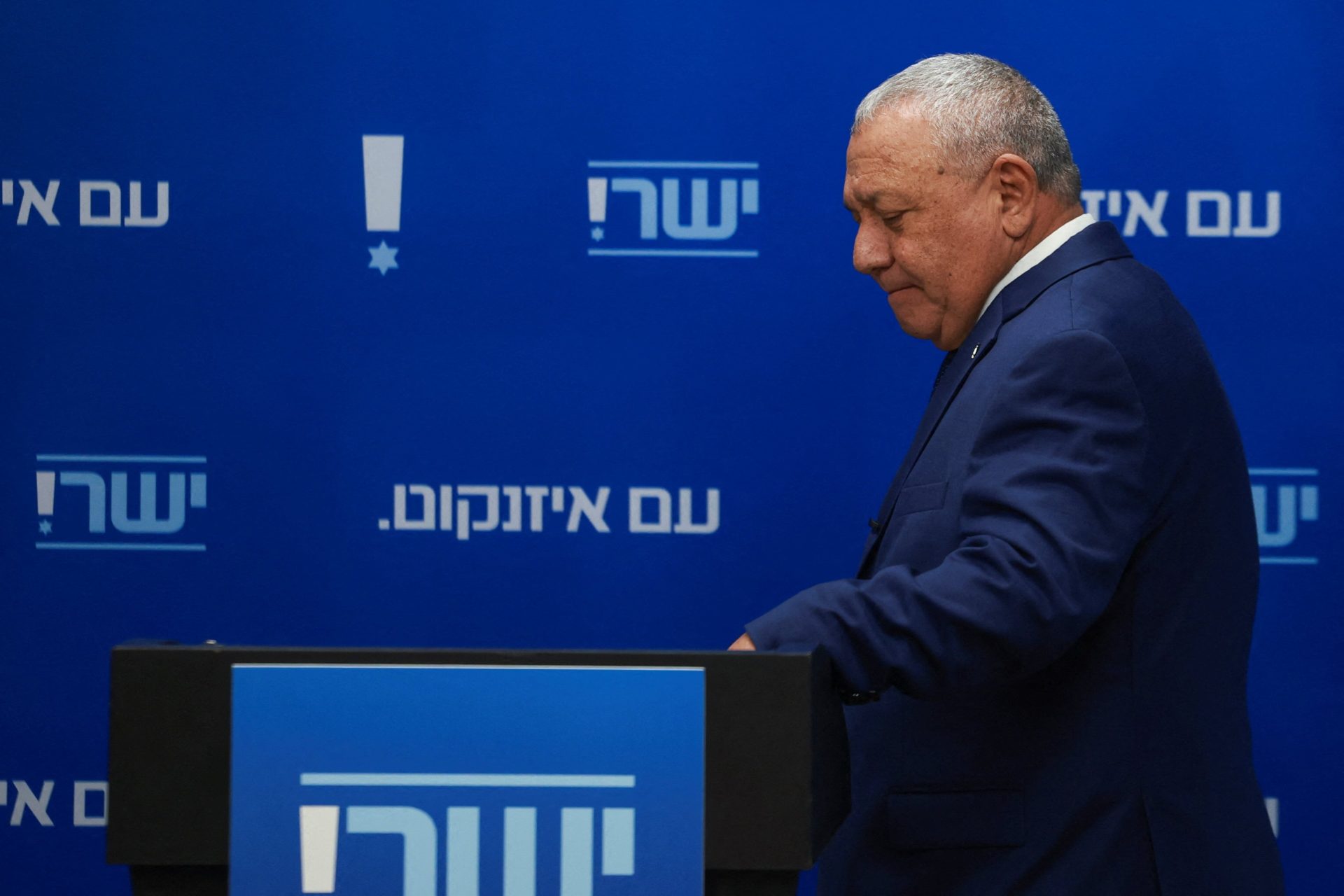
- Gadi Eisenkot was tasked with forming the Israeli government with a deadline expiring on December 6, following Benjamin Netanyahu's failure to secure a 61-seat majority.
- A preliminary agreement between the 'Yashar' and 'The Democrats' parties includes repealing the judicial overhaul, advancing Arab community interests, and granting four ministerial portfolios to Yair Golan's faction.
- Deep rifts over the conscription of ultra-Orthodox yeshiva students and alliances with Arab parties continue to complicate the declaration of an opposition coalition.
One month after Israel's legislative elections held on October 27 failed to produce a decisive majority in the Knesset, the political arena remains deadlocked with no new government formed to date. In this context, Gadi Eisenkot, former army Chief of Staff and head of the new centrist party 'Yashar', announced reaching a preliminary agreement with 'The Democrats' party.
According to the Ynet news site citing party sources, this understanding includes an explicit commitment to repeal the controversial judicial overhaul and maintain the independence of the judiciary, along with ensuring tangible progress for society, democracy, and the country's Arab community. The Democrats also stated in an official announcement that they would receive four ministerial portfolios covering Public Security, Labor and Social Affairs, Communications, and Culture and Sports, with party leader Yair Golan emphasizing the fulfillment of the pledge made to the public to replace Netanyahu and defend the democratic path.
Challenges of Securing a Majority and the Numbers Dilemma
The October 27 elections failed to grant any bloc the majority required to govern the 120-seat Knesset. The right-wing, far-right, and religious bloc supporting Benjamin Netanyahu secured only 53 seats, falling short of the required 61-seat threshold. On the other side, the opposition bloc—comprising Eisenkot, former Prime Minister Naftali Bennett, Yair Lapid, Avigdor Lieberman, and The Democrats led by Golan—secured a total of 48 seats.
Despite Likud winning the highest number of seats, the Israeli President chose to task Eisenkot with forming the coalition as the figure deemed most capable of bringing diverse factions together, establishing a final deadline of December 6. Following the failure of efforts to form a national unity government with Likud, Eisenkot directed his efforts toward opposition forces seeking to end Netanyahu's rule.
Sharp Divisions and Portfolio Distribution
Parliamentary calculations remain highly complex given the presence of 19 lawmakers representing Arab parties who could potentially back Eisenkot's coalition. However, ideological disparities among opposition factions represent a major obstacle; Avigdor Lieberman, head of the 'Yisrael Beiteinu' party, rejects the notion of partnering with Arab parties or opening the door to ultra-Orthodox (Haredi) factions, while expressing his aim to announce a government backed by a clear majority before the end of the week.
Leaks circulating in Hebrew media suggest the potential formation of a minority government supported by 55 lawmakers with external backing from an Arab faction, with an initial allocation of key portfolios assigning Lieberman to Defense, Yair Golan to Internal Security, Naftali Bennett to Finance, and Yair Lapid to Foreign Affairs, with these appointments remaining subject to ongoing negotiations.
Structural Crises and Netanyahu's Maneuvers
Observers note that the single unifying factor among this political grouping is ending Benjamin Netanyahu's tenure, amid criticism leveled against him regarding security failures surrounding the October 7 events, his refusal to establish an independent commission of inquiry, his ongoing corruption trials, and the fallout of the judicial overhaul. Additionally, the issue of military service exemptions for yeshiva students has emerged as a critical flashpoint, particularly with rising public discontent over frequent reservist call-ups and the ongoing war.
Conversely, press reports, including analyses by the newspaper Haaretz, indicate that Netanyahu has not yet conceded power, seeking to utilize external threats regarding Iran as leverage to press his opponents toward a national unity government under his leadership to ensure his political survival.
Source: L’Express


Comments (0)
You must log in to comment on articles.
Log in Sign upBe the first to comment on this article.