

Approaching Two Million: What Is Behind the Record Proliferation of Wild Boars in France?
Despite a record cull exceeding one million wild boars during the last season, their population in France approaches two million, driven by climate change and intensive agriculture.

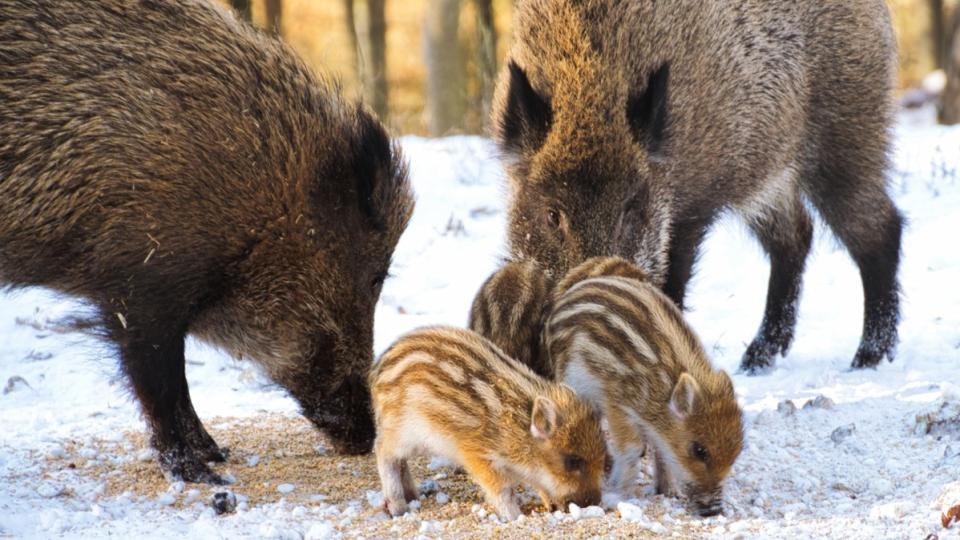
- The population of wild boars in France is approaching two million, despite a record cull of more than one million during the past season.
- Climate warming, intensive agriculture, and forest expansion are the primary drivers behind their rapid proliferation and intrusion into urban areas.
- Tensions are mounting between farmers and hunters amid calls for increased financial support and adaptation to coexist with the animals in certain regions.
Despite record figures in hunting operations over the past year, wild boar populations continue to climb in France, reaching approximately two million head and posing a growing threat to farmers and road users alike.
Agricultural Damage and Frequent Traffic Accidents
This unprecedented surge has led to the destruction of vast hectares of farmland, caused traffic accidents, and seen boars stray into urban centers and city streets, sparking widespread debate over their presence. While farmers point fingers at hunters, the latter voice frustration over tightened regulations that hamper hunting efforts and discourage many from heading out into the field.
According to the French Office for Biodiversity (OFB), more than one million wild boars were culled during the latest hunting season—an unprecedented record. The annual cull has multiplied by roughly 2.2 times over the past twenty years and by 19-fold over the last fifty years; nevertheless, the species continues to proliferate across the Republic's territory, reaching an estimated two million head.
Climate Change and Intensive Agriculture
This widespread expansion is largely attributed to the growth of their natural woodland habitats, alongside the spread of intensive agriculture, particularly maize and cereal crops, which serve as the primary food source for wild boars.
Climate change also plays a major role in the phenomenon; milder winters allow a significantly higher number of piglets to survive. Meanwhile, their venturing into residential areas and towns is mainly driven by severe droughts that force them out of natural habitats in search of water.
Calls for Adaptation and Coexistence
With mounting frustration among farmers, the National Hunters' Federation is calling for additional funding to cope with compensation costs and damages that have reached record highs. Meanwhile, author Raphaël Mathevet noted in his book, "Sangliers, géographie d’un animal politique" (Wild Boars: Geography of a Political Animal), that the efforts of hunters alone will not suffice to resolve the crisis, emphasizing that society will have to consider ways to coexist with the animal's presence in certain areas.
Source: CNews



Comments (0)
You must log in to comment on articles.
Log in Sign upBe the first to comment on this article.