

Humanitarian Crisis in Mali Following Expulsion of Tens of Thousands of Gold Miners from Guinea
Mali is facing a massive influx of tens of thousands of artisanal gold miners expelled from Guinea, triggering an emergency humanitarian and repatriation response by the transitional government.

- Between 40,000 and 80,000 expelled miners have been registered at the Malian border amid a government state of alert.
- The majority of the deportees are from Burkina Faso, among six nationalities affected by the Guinean expulsion orders.
- A health and humanitarian emergency has been declared following reports of deaths and injuries among the arrivals.
Mali is witnessing a massive influx of tens of thousands of artisanal gold miners following their expulsion from Guinea, pursuant to decisions issued by authorities in Conakry on November 2 to halt unauthorized mining activities. Faced with this human wave, Malian transitional authorities, supported by international partners, have moved swiftly to establish an emergency system to receive the displaced miners and secure their repatriation, particularly to Burkina Faso.
Surging Numbers and Government Mobilization
Mali's transitional government reported the registration of more than 40,000 miners in the town of Kourémalé, situated along the Guinea-Mali border. Meanwhile, state television (ORTM), following a press conference at the Ministry of Security and Civil Protection, indicated that the figure is approaching 80,000. In response to these developments, the Interministerial Committee for Crisis and Disaster Management convened an emergency meeting to monitor the situation and coordinate field interventions.
Six Nationalities and Priority for Repatriation
Official data indicates that the identified miners come from six countries: Burkina Faso, Mali, Senegal, Côte d'Ivoire, Togo, and Benin. Although a detailed breakdown for each nationality has not been released, Burkinabe nationals constitute the vast majority. In this context, Bamako commended the active solidarity between the two member nations of the 'Alliance of Sahel States,' noting that buses and trucks have been mobilized to repatriate 15,000 people. The first contingent, comprising 47 buses, has arrived in Burkina Faso, while a convoy of 50 trucks is preparing for departure.
Shelter Camps and Complex Health Challenges
Malian authorities are seeking to contain the new arrivals at the border post in Kourémalé to prevent congestion in the capital, Bamako. However, thousands have already managed to reach the outskirts of the capital, where they are being accommodated at the Mamaribougou and Ouezzindougou sites. Transitional Prime Minister General Abdoulaye Maïga visited both locations accompanied by a ministerial delegation, characterizing the unfolding situation as a 'true humanitarian disaster.'
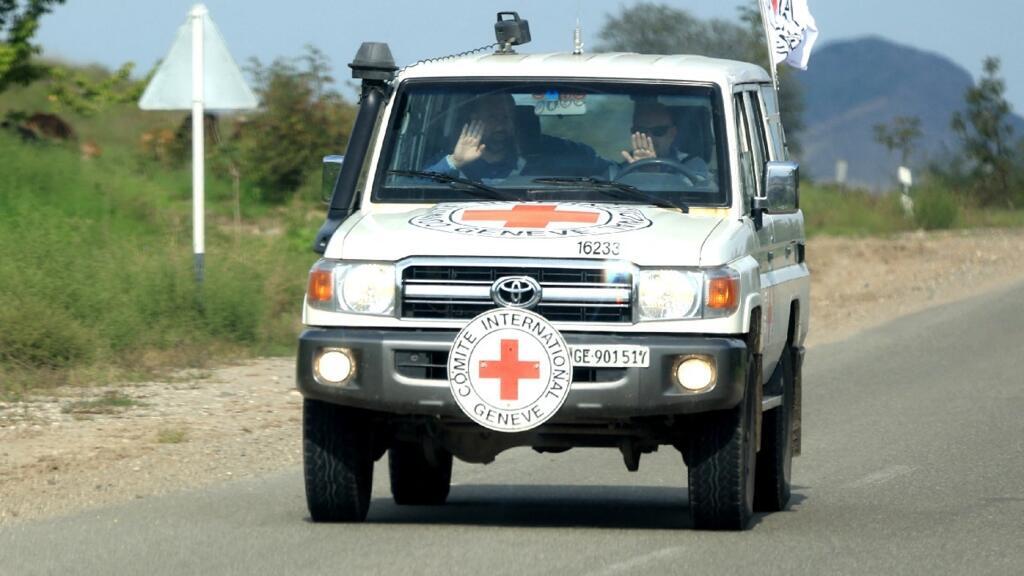
For his part, Minister of Security and Civil Protection Daoud Aly Mohammedine outlined the priorities of the security plan as intercepting, identifying, and assembling arrivals at designated sites. On the medical front, the Ministry of Health activated an emergency plan to treat the injured and sick, amid four officially recorded deaths, though other sources suggest higher figures. These efforts are supported by the distribution of tents and hot meals in cooperation with the World Health Organization, which delivered a substantial shipment of medications, and the Malian Red Cross, backed by the International Committee of the Red Cross, to provide comprehensive care to those affected.
Source: RFI

Comments (0)
You must log in to comment on articles.
Log in Sign upBe the first to comment on this article.