

Literature and History: Three New French Novels Recount the Nazi Occupation Through a Female Lens
France's literary scene is turning its attention to the dark years of World War II, highlighted by three new novels that examine the Nazi Occupation through the lived experiences of women.

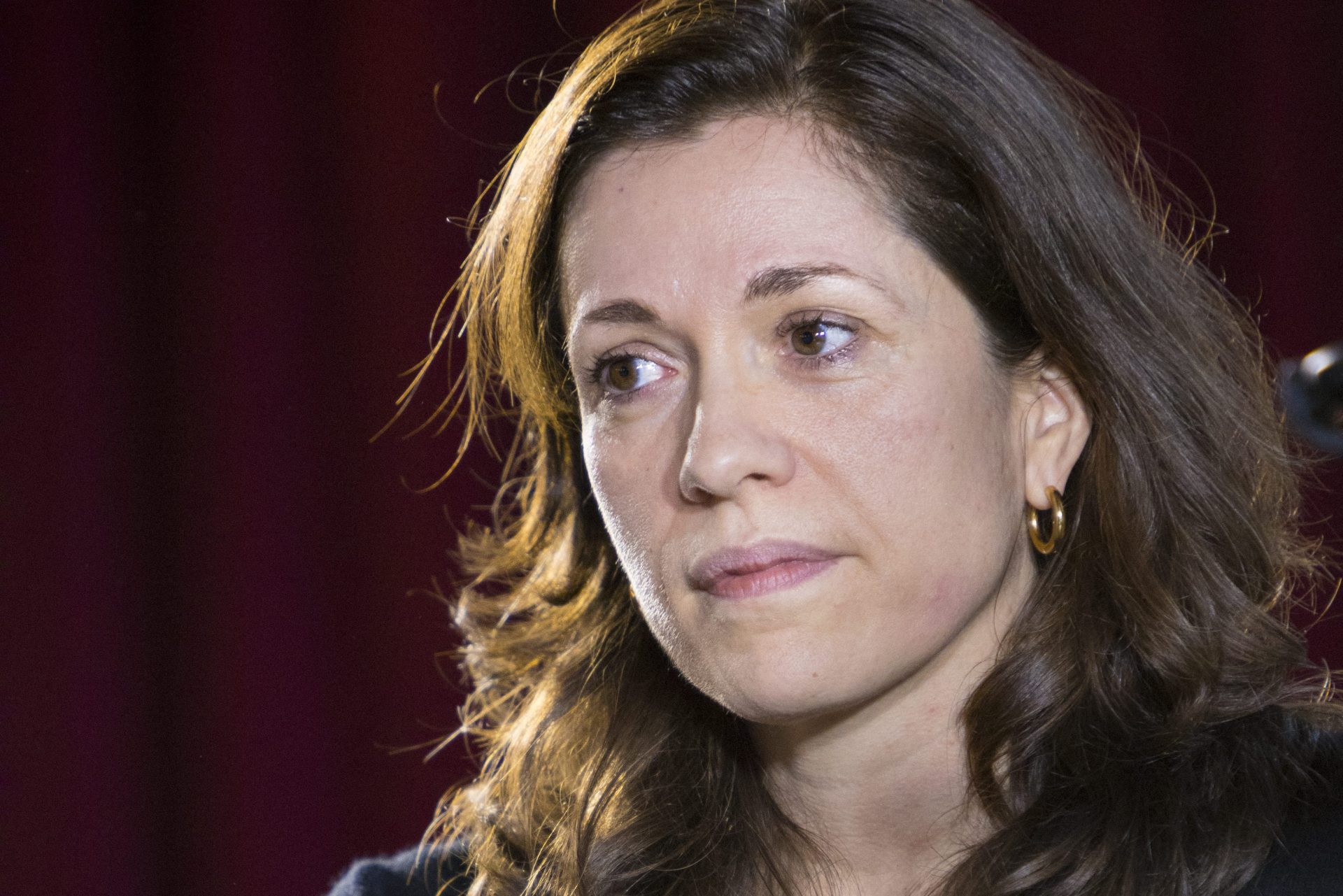
- Three new French novels revisit the 1940s through unconventional female perspectives and experiences.
- Romain Slocombe's novel warns against the rise of the far-right by revisiting the 1940 parliamentary vote granting full powers to Pétain.
- New narrative works document the hardships of famine, the black market, and the intergenerational trauma of the Tulle massacre.
France’s cultural scene and bookstores are witnessing widespread interest in World War II and the years of occupation. Alongside cinematic successes, three recent novels offer an in-depth reading of that turbulent era of the 1940s, this time casting light on female figures who lived through those major transformations.
A Summer of Betrayal and the Backrooms of Granting Power to Pétain
Author Romain Slocombe opens these works with his novel "Un été de trahison" (A Summer of Betrayal), published by Seuil. The author delves into the details of the week from July 3 to 10, 1940, between Paris and Vichy, tracing the fates of four women with contrasting paths—straddling reality and fiction—including aviation pioneer Madeleine Charnaux, communist resistance nurse Gisèle Rolin, and opportunistic figure Marie-Louise Guerlange. The work highlights behind-the-scenes political maneuvers involving German ambassador Otto Abetz and politician Pierre Laval, culminating in the National Assembly's vote granting full powers to Marshal Pétain—a nod by the author to the present, warning of the consequences of drifting toward the far right.
The Black Market and the Struggle for Survival in Paris
For her part, author Bérénice Pichat takes readers in her novel "Un marché noir" (A Black Market), published by Les Avrils, to Paris in September 1941. The novel follows the story of a young woman named Servane, who is pushed by famine and hardship into the corridors of parallel trade and the black market to feed her family. The work captures psychological contradictions and intersecting paths of survival, as illegal activity gradually evolved after 1943 into a form of indirect resistance against the occupier.
The Tulle Tragedy and Enduring Traumas of Memory
In a related context, writer Maylis Besserie shifts the narrative to the city of Tulle in her novel "Les Filles du 9 juin" (The Daughters of June 9), published by Grasset, commemorating the horrific massacre that took place on June 9, 1944, ordered by Nazi SS General Heinz Lammerding, which resulted in the execution of 99 people by hanging. The novel tackles deep wounds and generational psychological trauma by following women from a single family living through the aftermath of impunity, as the military commander responsible for the massacre escaped imprisonment for the rest of his life.
Source: L’Express


Comments (0)
You must log in to comment on articles.
Log in Sign upBe the first to comment on this article.